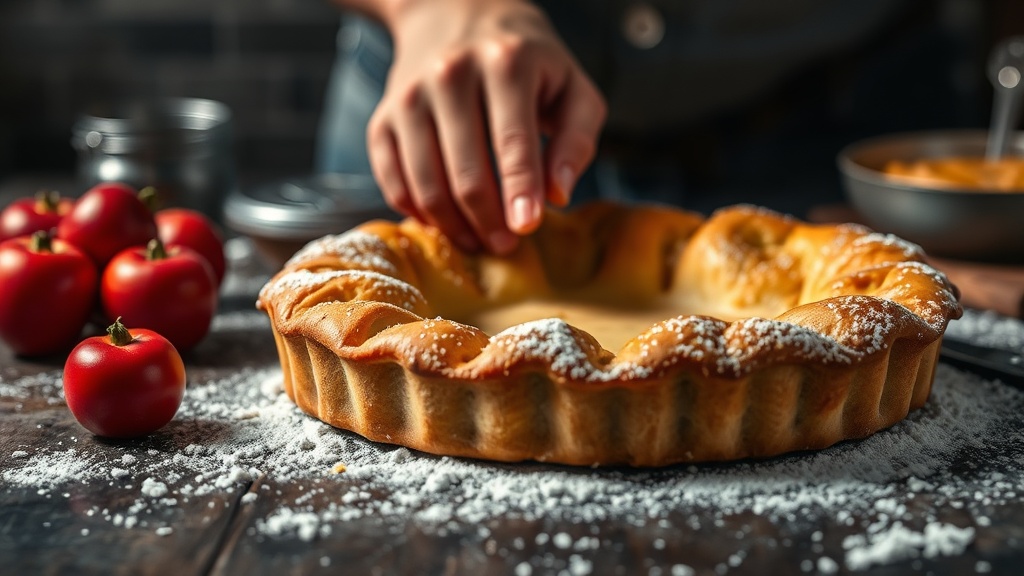
Why Your Pastry Crust is Soggy and How to Fix It

Have you ever pulled a beautiful fruit tart or a savory quiche out of the oven, only to find that the bottom crust is limp, damp, and unappetizingly soft? A soggy pastry crust is one of the most frustrating setbacks in baking because it often undermines all the hard work you put into the filling and the presentation. This post identifies the specific scientific and technical reasons why moisture migrates into your crust and provides actionable solutions to ensure a crisp, golden, and structurally sound base every time you bake.
The Science of Moisture Migration
To fix a soggy crust, you must first understand that moisture is constantly on the move. In baking, moisture moves from areas of high water concentration to areas of low water concentration. When you place a high-moisture filling—such as macerated berries, roasted vegetables, or a custard—directly onto a raw or underbaked pastry shell, the water in the filling begins to seep into the starch granules of the flour. This process, often called "osmosis" in a culinary context, breaks down the structure of the crust, turning what should be a crisp layer into a mushy one.
There are three primary ways to combat this: creating a physical barrier, controlling the moisture in the filling, and optimizing your baking technique. Each of these methods addresses a different stage of the baking process, from prep work to the final bake.
1. Creating a Moisture Barrier
The most effective way to prevent a soggy bottom is to create a waterproof layer between the wet filling and the pastry. This layer acts as a shield, forcing the moisture to stay within the filling rather than soaking into the dough.
The Egg Wash Method
A standard egg wash is a great tool for color, but for a moisture barrier, you need something slightly more substantial. Whisking one large egg with a teaspoon of heavy cream or even a bit of melted butter creates a richer coating. Brush this over the interior of your raw pastry shell just before adding the filling. As the egg protein coagulates in the oven, it creates a thin, edible film that resists liquid penetration.
The "Blind Bake" Requirement
If you are making a tart or a deep-dish pie, you cannot skip the blind bake. Blind baking is the process of baking the pastry shell partially or fully before any filling is added. This ensures the starch in the flour is fully set and "waterproofed" by the heat. For a shortcrust pastry, bake the shell at 375°F (190°C) for about 10-12 minutes with pie weights or dried beans. This creates a rigid structure that can withstand the weight and moisture of the filling.
Using Finely Ground Nut Flours
A professional trick used in many French pastry kitchens is to sprinkle a thin layer of almond flour or finely ground hazelnut flour over the bottom of a par-baked crust. The fats and proteins in the nut flour absorb stray moisture without turning into a paste. This is particularly effective for fruit tarts where the fruit juices are released during the baking process. If you are curious about how different ingredients affect your structural integrity, you might find our guide on common types of flour and when to use them helpful for choosing the right base for your recipes.
2. Managing Filling Moisture
Often, the problem isn't the pastry itself, but the liquid content of the filling you have prepared. If your filling is too wet, no amount of blind baking will save the crust from becoming soggy over time.
Macerating Fruit Properly
When making fruit pies or tarts, sugar draws moisture out of fruit through osmosis. If you mix sugar and berries and let them sit in a bowl before putting them in the crust, you are creating a pool of syrup that will immediately soak into the dough. To prevent this, toss your fruit with sugar and a thickener like cornstarch or arrowroot powder right before it goes into the crust. The starch will bind the released juices into a gel rather than a thin liquid.
Reducing Sauces and Purees
If your recipe calls for a vegetable or meat filling, ensure any liquid component is heavily reduced. For a savory quiche or a pot pie, if you are using a roux-based sauce, ensure it is thick enough to coat the back of a spoon. A runny sauce will inevitably settle at the bottom of the crust, leading to a damp base. Always taste your fillings for consistency; if it looks thin in the pan, it will be a liquid in the pastry.
Pre-cooking Components
For savory applications, such as a shepherd's pie or a meat tart, always cook your filling components separately before assembly. If you are using vegetables like mushrooms or onions, sauté them until their water has completely evaporated. This "sweating" process is crucial. If you put raw or undercooked vegetables into a pastry shell, the moisture released during the bake will be trapped between the filling and the crust, creating a steam pocket that softens the pastry.
3. Optimizing Oven Temperature and Airflow
How you bake the pastry is just as important as how you prepare it. The goal is to achieve a high degree of "evaporation" during the initial stages of baking to drive moisture away from the dough.
High Initial Heat
Starting your bake with a high temperature helps to set the crust quickly. For many tart recipes, starting at 400°F (200°C) for the first 10-15 minutes before dropping the temperature to the recipe's standard baking temperature can create a "seal" on the bottom of the crust. This rapid heat transfer gelatinizes the starches and sets the fats before the moisture from the filling can penetrate.
Using a Baking Stone or Heavy Sheet Pan
Heat distribution is key to a crisp bottom. If you are baking on a standard thin aluminum baking sheet, the bottom of your pastry may not receive enough direct heat to crisp up before the top of the filling is cooked. Using a preheated baking stone or a heavy-duty professional baking sheet (like a Nordic Ware pan) helps conduct heat directly into the base of the crust. This ensures the bottom is fully cooked and dehydrated by the time the dish is removed from the oven.
The Importance of Airflow
Avoid overcrowding your oven. If you have multiple pies or tarts baking at once, the air cannot circulate effectively. Stagnant air leads to uneven cooking and prevents the steam from escaping the crust. If you are baking multiple items, ensure there is at least two inches of space between each pan to allow for proper convection. This is especially important if you are using a convection setting, which uses a fan to circulate hot air—a feature that is excellent for crisping pastry bottoms.
Troubleshooting Common Scenarios
Even with the best techniques, certain types of baking are more prone to sogginess. Here is how to handle specific problematic scenarios:
- Fruit Tarts: Always use a layer of almond cream (frangipane) or a thin layer of cooked pastry cream as a buffer. This adds flavor and protects the crust.
- Savory Quiches: Ensure your custard (eggs and cream/milk) is fully set. If the center is still slightly wobbly or liquid, the bottom will likely be soft. If you see liquid pooling at the edges, your oven temperature might have been too low.
- Deep-Dish Pies: These are the most difficult to keep crisp. Use a double-blind bake method: bake the crust with weights, then add the filling and bake again. For extra protection, use a "crust shield" or a pie lid to prevent the top from browning too quickly while the bottom finishes cooking.
If you find that your baked goods are consistently failing in other areas, such as structural integrity or texture, you might want to review your fundamental dough-making processes. Understanding the relationship between heat and structure is vital, much like when you are learning mastering the art of sourdough or other yeast-based breads.
Summary Checklist for a Crisp Crust
Before you start your next bake, run through this checklist to ensure success:
- Is the filling drained? Ensure all excess liquid from fruits or cooked vegetables is removed.
- Is there a barrier? Have you applied an egg wash, a layer of nut flour, or a par-baked crust?
- Did you blind bake? If the recipe is high-moisture, a par-bake is non-negotiable.
- Is the oven hot enough? Ensure your baking sheet or stone is preheated to provide direct heat to the base.
- Are you using enough thickener? Ensure your fruit or sauce has enough starch to bind the liquids.
By treating the pastry crust as a structural component rather than just a container, you can control the moisture levels and ensure a professional, crisp result every time you step into the kitchen.