Common Types of Flour and When to Use Them

All-Purpose Flour: The Reliable Workhorse
Bread Flour: For Maximum Structure and Chew
Cake Flour: For a Fine and Tender Crumb
Pastry Flour: The Middle Ground for Flaky Crusts
Whole Wheat Flour: For Hearty and Nutty Textures
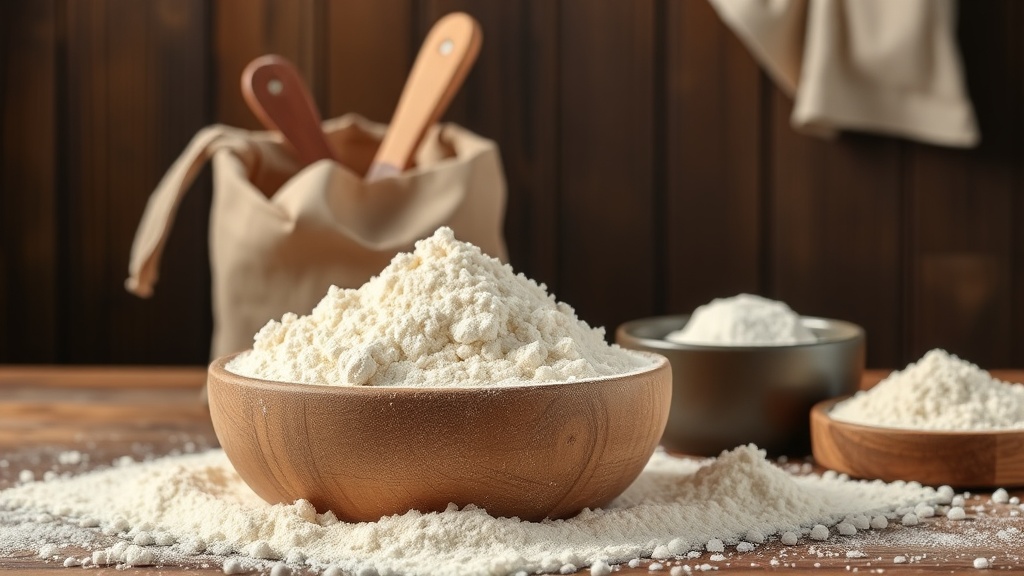
The weight of a heavy, linen flour sack against a stainless steel workbench defines the start of a production day. Inside that sack, the texture ranges from the silkiness of cake flour to the gritty density of whole wheat. Understanding the protein content and granulation of your flour is the most critical step in ensuring your recipes yield consistent results. This guide breaks down the most common types of flour found in professional and home kitchens, explaining exactly how their protein levels influence gluten development and which specific baked goods require them.
The Science of Protein and Gluten
Before selecting a bag from the shelf, you must understand the relationship between protein and gluten. Flour is primarily composed of starches and proteins (specifically glutenin and gliadin). When water is added and the flour is agitated through mixing or kneading, these proteins bond to create a gluten network. A high-protein flour creates a strong, elastic network that can trap gases, while a low-protein flour creates a weak, tender structure. If you use a high-protein bread flour in a delicate sponge cake, the result will be tough and bready rather than light and airy.
All-Purpose Flour
All-purpose flour is the most versatile staple in a standard pantry. It typically contains a protein content between 10% and 12%. This mid-range protein level makes it a "jack-of-all-trades," capable of providing enough structure for cookies while remaining light enough for many quick breads. In a professional setting, we often use it as a baseline, but it lacks the specialization required for high-end pastry or artisanal bread.
Best Uses for All-Purpose Flour:
- Cookies: It provides the necessary structure to prevent excessive spreading. If you find your dough is too soft, you can check why your cookies are spreading too much and potentially swap to a slightly higher protein flour.
- Quick Breads: Perfect for banana bread, soda bread, or scones where a moderate crumb is desired.
- Pie Crusts: It offers enough strength to hold a shape but isn't as heavy as bread flour, which helps maintain a flaky texture.
- Muffins: It creates a standard, reliable crumb that isn't overly chewy.
Cake Flour
Cake flour is highly processed to be extremely fine and soft. It usually has a very low protein content, typically around 6% to 8%. To achieve this low protein level, the wheat is often bleached. Bleaching serves two purposes: it softens the proteins and alters the starch granules so they absorb more fat and liquid. This results in a very fine, tight crumb and a bright white color. Because it is so light, you must be careful not to overmix it, as even low-protein flour can develop unwanted gluten if over-worked.
Best Uses for Cake Flour:
- Sponge Cakes: Ideal for Angel Food cakes or Chiffon cakes where air bubbles must be supported by a very delicate structure.
- Layer Cakes: Use this when you want a velvety, melt-in-the-mouth texture for birthday cakes or tiered wedding cakes.
- Fine Pastries: It is excellent for delicate shortbreads that require a powdery, soft finish.
Bread Flour
Bread flour is the heavy hitter of the baking world. It boasts a high protein content, often ranging from 12% to 14%. This high protein level allows for extensive kneading, which develops a robust, elastic gluten network capable of holding the carbon dioxide produced by yeast. This is why bread flour produces the chewy, airy texture found in a traditional baguette or a sourdough loaf. If you attempt to use cake flour for bread, your dough will lack the strength to rise and will likely result in a dense, flat mass.
Best Uses for Bread Flour:
- Artisanal Breads: Essential for sourdough, ciabatta, and baguettes. If you are looking to start your own fermentation journey, read our guide on mastering the art of sourdough.
- Pizza Dough: The high gluten content allows for the stretching required for Neapolitan-style crusts.
- Pretzels: Provides the chewiness necessary to withstand the alkaline bath.
- High-Rise Yeast Breads: Perfect for brioche or challah where you need both structure and lift.
Pastry Flour
Pastry flour sits in the middle of the spectrum, with a protein content of roughly 8% to 10%. It is more substantial than cake flour but lighter than all-purpose flour. It is designed to create a texture that is tender but still holds its shape under the weight of fats like butter or shortening. In many professional kitchens, we use pastry flour specifically when we want a "short" texture—meaning a texture that breaks easily rather than stretching.
Best Uses for Pastry Flour:
- Pie Crusts and Tarts: It produces a more tender crust than all-purpose flour.
- Biscuits: It helps create those flaky, tender layers without the toughness of bread flour.
- Pie Doughs: Excellent for fruit pies where you want the crust to be soft but structurally sound.
Whole Wheat Flour
Unlike the previous flours, which are refined to remove the bran and germ, whole wheat flour includes the entire wheat kernel. This means it is much higher in fiber, minerals, and vitamins, but it also means it is much denser. The bran acts like tiny shards of glass within the dough, physically cutting through gluten strands as you knead. This results in a heavier, denser final product. When using whole wheat, it is often helpful to blend it with white flour to ensure the bread still has some lift.
Best Uses for Whole Wheat Flour:
- Hearty Loaves: Great for multi-grain breads or rustic country loaves.
- Nutritional Boosts: Adding a percentage of whole wheat to your standard bread recipes to increase fiber content.
- Granola and Crackers: Provides a dense, satisfying crunch.
Self-Rising Flour
Self-rising flour is a pre-mixed product that contains all-purpose flour, a leavening agent (usually baking powder), and often a small amount of salt. It is a convenience product designed to speed up the process of making chemically leavened goods. While it is useful for quick recipes, it offers less control over the final texture and lift compared to mixing your own leavening agents from scratch.
Best Uses for Self-Rising Flour:
- Southern-Style Biscuits: Provides a consistent, rapid rise.
- Quick Pancakes and Crepes: Simplifies the batter-making process for breakfast items.
- Simple Cornbread: Adds a reliable lift to dense, corn-based batters.
Summary Comparison Table
| Flour Type | Avg. Protein % | Primary Characteristic | Best For |
|---|---|---|---|
| Cake Flour | 6% - 8% | Fine, soft, bleached | Cakes, sponges, delicate pastries |
| Pastry Flour | 8% - 10% | Tender, medium weight | Pie crusts, biscuits, tarts |
| All-Purpose | 10% - 12% | Versatile, balanced | Cookies, muffins, general baking |
| Bread Flour | 12% - 14% | Strong, elastic, chewy | Sourdough, pizza, yeast breads |
| Whole Wheat | 13% - 15% | Dense, high fiber, gritty | Rustic breads, hearty grains |
Practical Tips for Flour Selection
When you are in the middle of a bake and realize you are missing a specific flour, consider these substitution rules. If a recipe calls for cake flour and you only have all-purpose, you can simulate the lower protein by removing 2 tablespoons of flour from every cup and replacing it with 2 tablespoons of cornstarch. This mimics the fine texture and reduces the protein density. Conversely, if a recipe calls for bread flour and you only have all-purpose, your bread will still work, but it will be less chewy and may not rise as aggressively.
Always check the expiration dates on your flour, especially for whole wheat varieties. Because whole wheat contains the germ, the natural oils can go rancid over time, giving your baked goods a bitter, unpleasant taste. For white flours, store them in a cool, dry place to prevent moisture absorption, which can lead to clumping and inaccurate measurements.