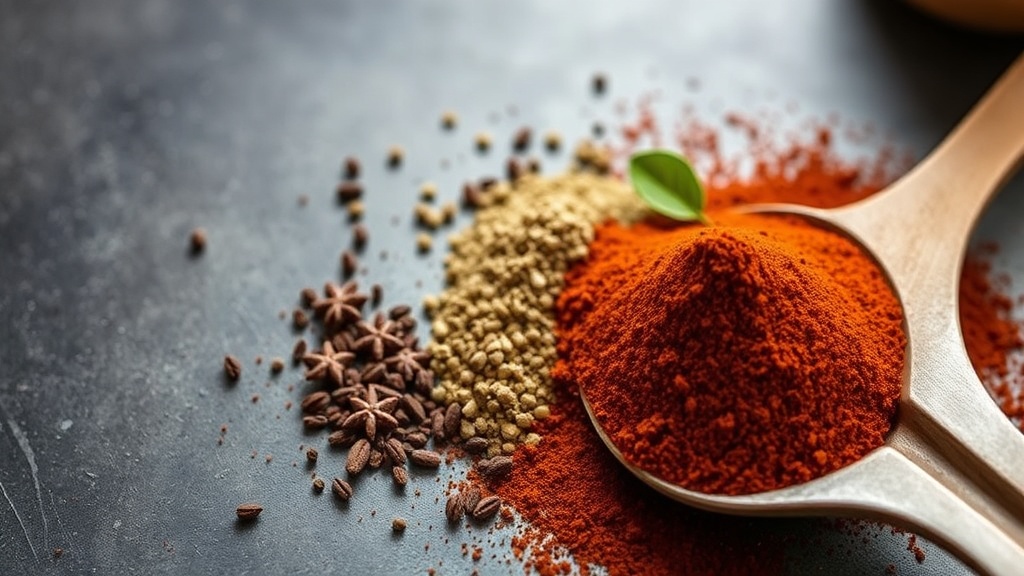
Why Your Spices Lose Their Flavor and How to Fix It

Light and Heat Exposure
The Oxygen Problem
Grinding Too Early
Checking for Potency
A jar of ground cinnamon sits on the counter, looking perfectly fine, but when you sprinkle it into your spiced apple cake, the scent is virtually non-existent. This is a common frustration in the kitchen: you follow a recipe precisely, yet the depth of flavor you expected is missing. This post explains the scientific reasons why spices lose their potency—specifically through oxidation, light exposure, and heat—and provides practical steps to ensure your baking remains aromatic and flavorful.
The three main enemies of spice potency
Spices are composed of volatile organic compounds. These are the chemical elements responsible for the aroma and taste we associate with ingredients like cardamom, cloves, or nutmeg. When these compounds break down, the spice becomes "flat." Understanding the three primary culprits of this degradation will help you manage your pantry more effectively.
1. Oxidation and Oxygen Exposure
Oxygen is a highly reactive element. When spices are exposed to air, an oxidation process begins that breaks down the essential oils. This is why ground spices lose their strength much faster than whole spices. Once the chemical structure of the oil is altered by oxygen, the spice loses its ability to release scent when heated in a batter or dough. To minimize this, you must limit the surface area exposed to air. Using airtight glass containers rather than the shallow plastic tins often provided by grocery stores makes a significant difference.
2. Light and UV Degradation
Light, particularly ultraviolet (UV) rays, provides energy that can trigger chemical reactions within the spice. If you store your spice collection on a sunny countertop or near a bright window in your kitchen, you are accelerating the degradation of the pigments and oils. This is especially true for vibrant spices like turmeric or paprika, which can lose their brilliant color and become dull and dusty-looking due to photo-oxidation.
3. Heat and Thermal Breakdown
High temperatures accelerate the evaporation of volatile oils. While we use heat to "bloom" spices in a pan to release flavor, constant exposure to heat during storage is detrimental. Storing spices directly above a stove or near a dishwasher—where steam and ambient heat are high—will significantly shorten their shelf life. The goal is to maintain a stable, cool environment to keep those oils locked within the spice particles.
How to identify stale spices
Before you reach for that jar of ginger to make a batch of gingerbread, perform these two quick tests to see if the ingredient is still worth using.
- The Sniff Test: This is your most reliable tool. Take a small amount of the spice and rub it between your palms. The friction creates a small amount of heat, which helps release the remaining oils. If you cannot smell a distinct, pungent aroma immediately, the spice is likely too old to provide any meaningful flavor to your baked goods.
- The Visual Check: Look for color loss. If your cayenne pepper looks more like a pale orange than a deep red, or if your cinnamon looks gray rather than rich brown, the chemical compounds have likely oxidized.
Practical ways to preserve flavor
Preventative maintenance is much more effective than trying to fix a dull ingredient mid-recipe. Follow these storage and purchasing guidelines to keep your pantry professional-grade.
Buy whole spices instead of ground
The most effective way to ensure flavor is to buy whole spices and grind them yourself. A whole nutmeg or a cinnamon stick is protected by a physical barrier that keeps the essential oils trapped inside. A ground spice has a massive surface area exposed to the air, meaning it begins degrading the moment it hits the jar. If you invest in a high-quality spice grinder or a simple mortar and pestle, you can control the freshness of your baking. For example, grinding fresh cardamom pods right before adding them to a Scandinavian cardamom bun will produce a result vastly superior to using pre-ground powder.
Use airtight glass containers
While many commercial spices come in thin plastic or even paper packets, these are not ideal for long-term storage. Plastic is actually slightly porous, allowing microscopic amounts of oxygen to enter over time. Glass is non-porous and provides a much better seal. Transfer your spices into amber-colored glass jars if possible. The dark tint helps block UV light, providing an extra layer of protection against light-induced degradation.
Store in a cool, dark pantry
Avoid the "convenience trap" of keeping spices on the counter or on a rack above the stove. Even if they are in airtight jars, the ambient heat from cooking will eventually penetrate the container. A dedicated pantry or a lower cabinet away from the oven is the ideal location. In a professional kitchen, we keep spices in a cool, dry area to ensure consistency in every batch.
How to revive or maximize spice flavor in baking
If you realize your spices are a bit weak, there are a few techniques you can use to extract every last bit of potential from them. These methods are particularly useful when you are working with ingredients that are critical to the structure or flavor profile of your bake.
Bloom your spices in fat
Many of the flavor compounds in spices are fat-soluble, meaning they dissolve in oil or butter rather than water. Instead of simply stirring ground spices into a dry flour mixture, try "blooming" them. Heat a small amount of butter or neutral oil (like grapeseed oil) and add your spices to the warm fat. This heat helps release the volatile oils and distributes the flavor more evenly throughout your dough or batter. This technique is essential when making spice-heavy items like a classic gingerbread or a spiced cake base.
Use the "Rub" technique
As mentioned in the sniff test, friction is your friend. When using ground spices in a recipe, take a small amount of the spice and rub it vigorously between your palms or in a small bowl before adding it to the mix. This slight increase in temperature can "wake up" the oils that have become dormant, ensuring they are active when they hit the heat of the oven.
Layer your spices
If you are worried about the potency of your spices, do not rely on a single measurement. Instead, use a combination of whole and ground spices. For a spiced cake, you might use a small amount of ground cloves for base flavor and a few whole cloves steeped in your milk or butter to provide high notes of aroma. This creates layers of flavor that are much harder to lose than a single, flat note of ground powder.
A note on ingredient quality and timing
The quality of your spice is often determined by how long it has been sitting on a warehouse shelf before it even reaches you. When shopping, look for spices that are packaged in smaller quantities or look for reputable brands that prioritize freshness. If you find yourself frequently baking with the same spices, consider buying in bulk from a dedicated spice merchant rather than a standard grocery store, as these sources often have better turnover and fresher stock.
Maintaining a high standard for your ingredients is just as important as understanding how different types of flour affect your bake. If your foundation is strong and your aromatics are fresh, the results will be consistently professional. Treat your spices with the same respect you treat your flour and chocolate, and your baked goods will always have the depth of flavor they deserve.