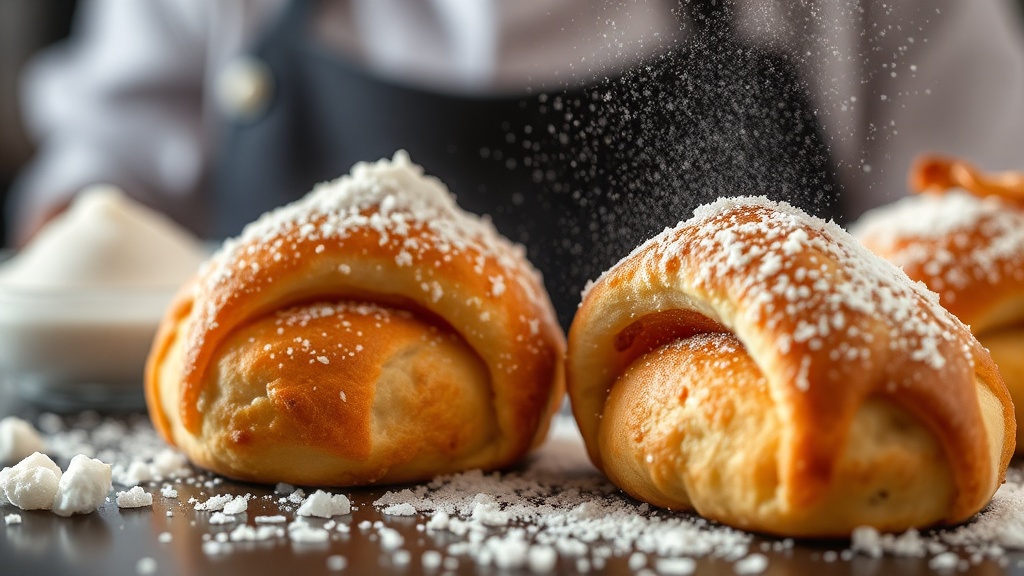
Salt and Sugar: Balancing Sweetness and Savory in Pastry

Imagine biting into a dark chocolate tart that feels heavy and cloying, only to have a sudden, sharp hit of Maldon sea salt crystals snap against your tongue. That single grain of salt does more than just add flavor; it cuts through the fat of the cocoa butter and prevents the sugar from overwhelming your palate. This guide explores the science and art of balancing salt and sugar in pastry, explaining how to use salt to brighten sweetness and how to use sugar to temper savory notes. We'll look at the chemical roles these ingredients play, the best types of salt to use for different textures, and how to avoid the common mistake of making a dessert that tastes "flat."
Salt isn't just a seasoning for bread or steak. In the world of pastry, it's a structural tool. It interacts with your taste buds to suppress bitterness and highlight sweetness, making flavors feel more three-dimensional. Without it, even the most expensive Madagascar vanilla bean can end up tasting one-note and dull.
How Does Salt Affect Sweetness in Baking?
Salt enhances sweetness by suppressing the perception of bitterness and making the sweetness feel more intense without actually adding more sugar. When you add a pinch of salt to a caramel sauce or a chocolate ganache, the sodium ions interact with your taste receptors, essentially "opening the door" for the sugar to be more detectable. It's a bit like turning up the brightness on a screen—the light is the same, but it's much easier to see.
There's a specific chemical reason for this. Salt helps to reduce the perception of bitterness in ingredients like dark chocolate or high-percentage cacao. If you're working with a high-quality dark chocolate, like Valrhona or Guittard, the natural bitterness is a huge part of the profile. A tiny amount of salt pulls that bitterness back and lets the fruity, complex notes of the cacao shine through.
The ratio is everything. A common mistake is adding too much salt too early, which can lead to a savory-tasting dessert. I usually recommend starting with a very small amount of fine sea salt (like Diamond Crystal Kosher Salt) in your dough or batter, then adding a larger, textural salt at the very end. This provides two layers of flavor: a subtle background note and a sharp, textural pop.
"Salt is the conductor of the flavor orchestra; it doesn't play the melody, but it ensures every other instrument is heard clearly."
What is the Best Salt for Pastry?
The best salt for pastry depends entirely on whether you want the salt to be an invisible background note or a visible, textural element. For doughs, batters, and smooth fillings, you want a fine, uniform salt that dissolves easily. For toppings and finishing, you want large, flaky crystals that provide a crunch.
Here is a breakdown of how to choose your salt based on the application:
| Salt Type | Best Use Case | Flavor Profile |
|---|---|---|
| Fine Sea Salt | Incorporated into doughs, batters, or crusts. | Subtle, dissolves quickly, provides consistent seasoning. |
| Kosher Salt (Diamond Crystal) | General baking (cakes, cookies, bread). | Neutral, easy to control volume in recipes. |
| Maldon Sea Salt | Finishing a tart, topping a caramel, or finishing a cookie. | Crunchy, bright, and provides a sudden "pop" of flavor. |
| Fleur de Sel | High-end chocolate work or delicate fruit tarts. | Velvety, slightly more complex than standard sea salt. |
If you're working on something like a brioche or a sourdough, the salt is often baked into the structure. For those interested in how fermentation affects flavor, you might want to read about cold fermentation and flavor depth. In those cases, the salt helps regulate the yeast activity, ensuring the bread doesn't rise too fast or become overly salty during the long ferment. (I've found that a slightly lower salt percentage in long-ferment doughs actually makes the final product taste more nuanced.)
Can You Use Too Much Sugar?
Yes, you can use too much sugar, and it's a mistake that can actually ruin the structural integrity of your bake. Sugar is a humectant, meaning it attracts water. If your recipe calls for a high concentration of sugar without enough flour or fat to balance it, your pastry might end up too soft, too gummy, or even collapse in the oven. Too much sugar also masks the subtle flavors of your butter and flour, leaving you with a dessert that tastes "flat" and heavy.
The catch? Most people think adding more sugar makes things sweeter. In reality, an excess of sugar can actually dull the palate's ability to taste other things. It's a phenomenon often seen in poorly made frostings that feel "cloying"—that's the sensation of your taste buds being overwhelmed by a single, unrelenting note of sweetness. To avoid this, balance your sugar with acidity (like lemon juice or buttermilk) or a touch of salt.
When you're working with chocolate, the balance is even more delicate. If you're tempering chocolate for a professional finish, the sugar content of the chocolate affects how it sets. You can learn more about the technical side of chocolate structure in this deep dive into chocolate tempering. A well-balanced chocolate should have a snap and a shine, not a sticky, sugary texture.
Here are a few ways to check your balance while you're baking:
- The Taste Test: Taste your batter or dough at the beginning, middle, and end of the process. Does it taste "one-note"? If so, it needs a pinch of salt or a squeeze of acid.
- The Texture Check: If your cake or cookie feels strangely wet or greasy, you may have over-indexed on sugar.
- The Aftertaste: A good pastry should leave a clean finish. If the sweetness lingers unpleasantly in the back of your throat, the sugar-to-salt ratio is off.
It's also worth noting that different types of sugar behave differently. White granulated sugar provides sweetness and structure, while brown sugar adds moisture and a molasses-driven depth. If you're making a salted caramel, the type of sugar you start with will change the entire profile. A dark brown sugar will create a much deeper, more savory caramel than a standard white sugar. This is why I always keep a variety of sugars on hand—it's not just about sweetness; it's about the flavor profile you're building.
The science of baking is often a game of precision, but the art is in the intuition. You'll know you've hit the sweet spot when the salt makes the chocolate taste more "chocolatey" and the sugar makes the butter feel richer. It's a delicate dance between the two, and once you master it, your pastries will move from being just "sweet treats" to being complex, memorable experiences. Keep experimenting with different salts—sometimes a tiny bit of smoked salt in a chocolate dough can change everything. It's a wild, delicious way to play with your food.