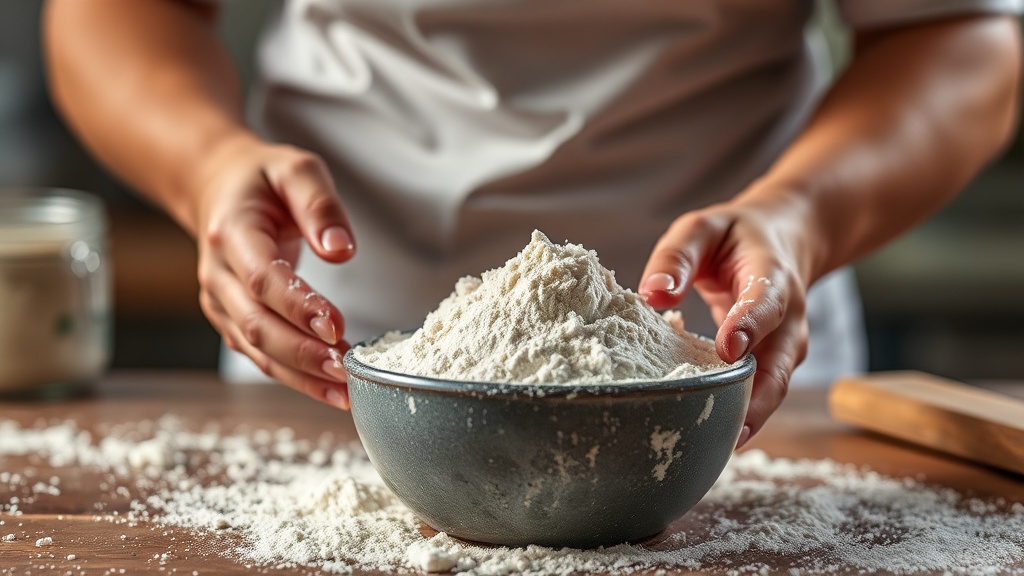
Finding the Perfect Flour for Every Bake

Did you know that a single grain of wheat can contain up to 14% protein, yet even a 1% difference can change a loaf of bread from light and airy to dense and heavy? Choosing the right flour is the difference between a structural failure and a masterpiece. This guide breaks down the science of protein content, the nuances of different grain types, and how to match your flour to your specific bake. We'll look at how protein levels affect gluten development and which flours work best for everything from delicate pastries to chewy sourdough.
What is the difference between bread flour and all-purpose flour?
The primary difference between bread flour and all-purpose flour is the protein content. Bread flour typically contains 12% to 14% protein, while all-purpose flour usually sits between 10% and 12%. High protein levels allow for more gluten development, which provides the structural strength needed for yeast-leavened breads. If you're making a crusty baguette or a chewy bagel, you need that high-protein structure. All-purpose flour is a versatile middle ground—it's great for cookies and quick breads—but it lacks the strength for heavy doughs.
Think of protein as the scaffolding of your bake. Without enough of it, your cake might collapse; with too much, your cookies might turn out tough. It’s a delicate balance. I often find myself switching between the two depending on the humidity in my kitchen (which, in Montréal, can be a bit temperamental).
If you want to dive deeper into the biological makeup of wheat, the scientific breakdown of wheat proteins explains how glutenin and gliadin interact to create elasticity. It's not just "flour"—it's a complex protein matrix.
The Protein Spectrum
When you're shopping, don't just look at the brand. Look at the nutritional label for the protein grams per serving. Here is a quick reference for your next grocery trip:
| Flour Type | Protein Content | Best Used For |
|---|---|---|
| Cake Flour | 6% - 8% | Sponge cakes, delicate pastries, biscuits |
| Pastry Flour | 8% - 10% | Pie crusts, tarts, flaky biscuits |
| All-Purpose | 10% - 12% | Cookies, brownies, general baking |
| Bread Flour | 12% - 14% | Sourdough, bagels, artisan loaves |
| High-Gluten Flour | 14% + | Pretzels, heavy yeast breads |
How do I choose the right flour for my recipe?
You choose your flour based on the desired texture and the amount of gluten development your recipe requires. For soft, tender textures like cakes or tarts, reach for low-protein flours like cake or pastry flour. For structures that need to hold gas and expand, like sourdough or brioche, choose high-protein bread flour. If your recipe calls for a specific type of flour and you don't have it, you can often substitute, but keep an eye on the hydration.
I've learned the hard way that using bread flour in a sponge cake is a recipe for a dense, rubbery mess. It's frustrating. But it's also a learning moment. Understanding the inner structure of dough helps you realize why that protein matters so much during the mixing stage.
Here are a few quick rules of thumb I live by:
- Low Protein (Cake/Pastry): Use when you want "melt-in-your-mouth" textures.
- Medium Protein (All-Purpose): Use for everyday treats where you don't need extreme strength.
- High Protein (Bread/High-Gluten): Use when you need to trap air bubbles or create a chewy bite.
Sometimes, a recipe might call for a specific brand like King Arthur Flour or Bob's Red Mill. These brands are reliable because their protein levels are consistent. If you're using a generic store brand, be prepared for some variability. It's a bit of a gamble sometimes.
Can I substitute flour in any recipe?
Substitution depends entirely on how much gluten development the recipe intends to achieve. You can substitute cake flour for all-purpose flour in many recipes by replacing a portion of the flour with cornstarch, but you cannot easily swap bread flour into a delicate cake recipe without changing the entire texture. If you use a high-protein flour where a low-protein flour is called for, your result will likely be tougher and more bread-like.
For example, if you're making a delicate fruit tart, you want a flour that doesn't fight you. A heavy bread flour would make that crust tough and unpalatable. This is why understanding your ingredients is just as important as your technique. It's the foundation of the whole process.
If you're interested in the chemistry of how different grains react to moisture, the USDA food database provides extensive data on the nutritional and chemical properties of various grains and flours. It’s a great resource for the more science-minded baker.
Common Substitutions and Their Results
- Substituting Cake Flour for All-Purpose: Add 1-2 tablespoons of cornstarch per cup of flour to lower the protein density. This works well for softening cookie textures.
- Substituting Bread Flour for All-Purpose: Add more liquid or fat to compensate for the higher absorption, but be aware the result will be chewier.
- Substituting Whole Wheat for White Flour: Reduce the amount by 25% or add more liquid, as whole wheat absorbs more moisture and can make a bake feel heavy.
One thing to keep in mind—and I can't stress this enough—is that even "all-purpose" flour is a spectrum. Not all brands are created equal. I've seen a batch of chocolate chip cookies turn out way too puffy because the flour I used had a slightly higher protein count than the last bag. It’s those tiny details that make a difference.
When you're working with high-fat ingredients like butter or oil, the flour's job is to provide the framework. If you're making something like a lemon lavender cake, the flour needs to be light enough to let those floral notes shine through without being overshadowed by a heavy, grainy texture. A lighter flour allows the delicate flavors to be the star of the show.
If you're ever unsure, start with a small test batch. It's much better to fail on a single cookie than on a whole tray of pastries. It's a way to experiment without the high stakes of a full-sized bake.
Steps
- 1
Identify your desired texture
- 2
Check the protein percentage
- 3
Match the flour to the recipe type