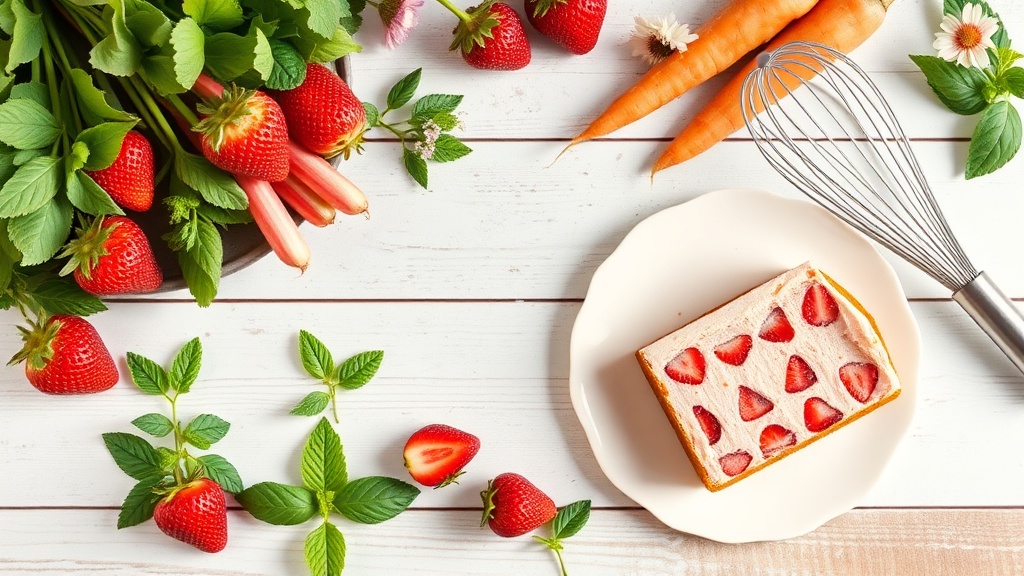
Zero-Waste Baking: Upcycled Ingredients to Elevate Your Spring Desserts

Ever wonder what to do with that leftover beet pulp or stale bread crust? This spring, I’m turning waste into wonder by baking with upcycled ingredients that taste amazing and shrink your kitchen’s carbon footprint.
Why go zero‑waste in the kitchen?
Zero‑waste baking isn’t just a buzzword; it’s a response to a growing upcycling movement that diverted over five million tons of food waste in 2025. By repurposing scraps, you keep flavor, cut costs, and join a sustainability wave that’s reshaping bakeries worldwide.
What upcycled ingredients are perfect for spring desserts?
Here are the top five spring‑friendly upcycled ingredients you can start using today:
- Fruit pulp from juicing — The leftover orange, strawberry, or carrot pulp adds natural sweetness and fiber. Use it in cakes, muffins, or as a base for fruit‑infused glazes. FoodPrint notes that pulp can replace up to 30% of flour in quick breads.
- Spent grain from brewing — Rich in protein and a nutty flavor, spent grain works wonders in crumbly shortbreads or as a crunchy topping for tarts. See the 2026 bakery trends for more ideas.
- Stale bread crumbs — Instead of tossing yesterday’s baguette, dry‑toast crumbs and blend them into crusts for cheesecakes or as a binding agent in fruit crumble bars.
- Vegetable skins (e.g., carrot, beet) — Dehydrate and grind into a vibrant powder that adds color and a subtle earthiness to frosting or sponge layers.
- Nut‑oil pomace — The leftover press cake from almond or walnut oil can be ground into a flour substitute, boosting moisture in brownies.
How do I incorporate upcycled ingredients without compromising flavor?
Start small: swap just 10‑15% of the flour or butter with your upcycled component. Taste as you go. For example, I added a quarter cup of orange‑juice pulp to my Spring Dessert Platter glaze, and the citrus zing was unbeatable.
Quick‑hit guide: Upcycled Spring Lemon‑Berry Tart
This recipe uses orange pulp from your weekend juicer and leftover almond‑oil pomace for a buttery crust.
- Preheat oven to 350°F (175°C).
- Combine 1½ cups all‑purpose flour, ¼ cup almond‑oil pomace, ¼ cup cold butter, and a pinch of salt. Mix until crumbly.
- Add 2 Tbsp ice water, press into a 9‑inch tart pan, and bake 12 minutes.
- Whisk together ½ cup fresh lemon juice, ¼ cup orange pulp, ½ cup sugar, 2 eggs, and 2 Tbsp melted butter. Cook over low heat until thickened.
- Cool, pour over the crust, and top with fresh berries. Chill 2 hours before serving.
Result: a bright, fragrant tart that feels indulgent but is built on rescued ingredients.
What are common pitfalls and how to avoid them?
- Moisture overload: Fruit pulp can make dough soggy. Pat dry or blend with a dry element like spent grain.
- Off‑flavors: Over‑fermented pulp may taste sour. Taste before adding; balance with sweeteners or citrus.
- Texture surprises: Grain can add grit. Pulse in a food processor for a finer consistency.
Where can I learn more?
Check out these deep‑dive resources for inspiration and ingredient sourcing:
- Upcycled Food Movement Gains Scale (Prepared Foods, 2025)
- The Bakery Trends That Will Define 2026 (Food Packaging Network)
- Biggest Food Trends 2026 (Misfits Market)
- 6 Upcycled Food Trends to Watch (FoodPrint)
Takeaway
Zero‑waste baking is a delicious way to make spring desserts that are both eco‑friendly and on‑trend. Start with one upcycled ingredient—like fruit pulp or spent grain—and experiment. Your taste buds (and the planet) will thank you.