Why Your Vanilla Extract Tastes Like Alcohol

A baker pulls a batch of vanilla bean cupcakes from the oven, only to realize the scent isn't the warm, creamy aroma expected, but a sharp, stinging punch of grain alcohol. The vanilla flavor is completely missing, replaced by a harsh chemical aftertaste that lingers on the palate. This happens because the vanilla extract used was either poor quality, improperly stored, or fundamentally misunderstood in its chemical composition. Understanding why your extract tastes like alcohol is essential for ensuring your high-end pastry work—or even your home baking—reaches its full potential.
The Chemistry of Vanilla Extraction
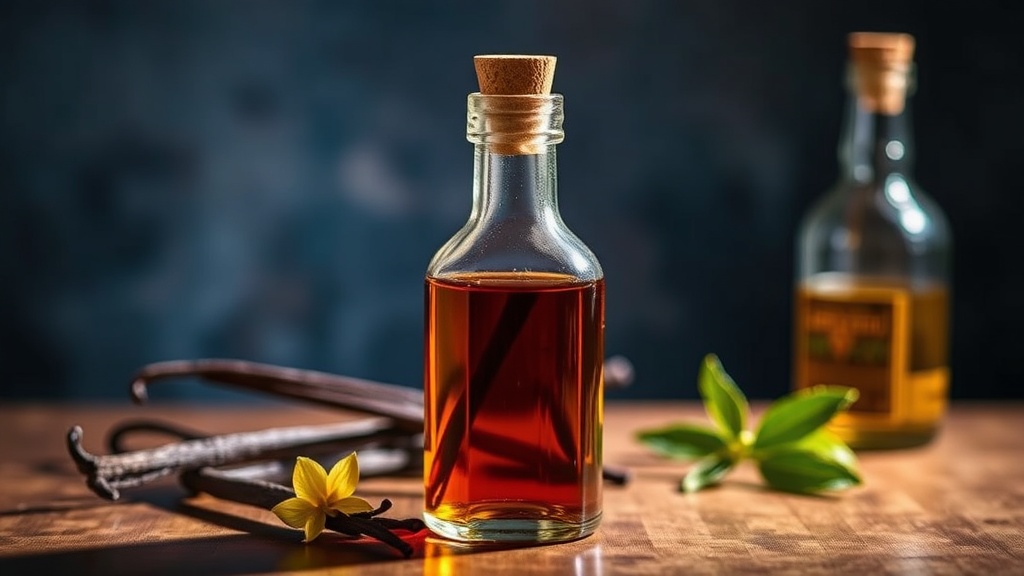
Vanilla extract is a solution of vanilla bean components in an alcohol base. While many people assume the alcohol is just a carrier, it is actually a vital solvent. The goal of extraction is to pull the complex organic compounds—specifically vanillin and various phenolic compounds—out of the bean and into the liquid. If the ratio of solvent to bean is off, or if the quality of the beans is low, you end up with a liquid that is essentially just high-proof spirit with a hint of color.
The primary reason for a harsh alcohol taste is a lack of solubility. High-quality vanilla contains hundreds of aromatic compounds. If the beans used were not sufficiently aged or if the alcohol concentration is too high relative to the organic material, the solvent remains "unoccupied." In professional kitchens, we look for a rich, viscous texture. If your extract is thin and watery, the alcohol hasn't been effectively "flavored" by the bean's oils.
The Role of Alcohol Percentage
Most commercial vanilla extracts use a vodka or bourbon base with an alcohol content between 35% and 40% ABV (Alcohol by Volume). This is the industry standard because it is strong enough to extract the essential oils but low enough to allow the flavor to develop. However, if you are using a high-proof spirit like Everclear or a high-ABV brandy for DIY extraction, the sheer potency of the ethanol can mask the delicate vanillin molecules. This creates a sensory "burn" that dominates the flavor profile.
- Vodka-based: Neutral, allows the bean to be the star.
- Bourbon-based: Adds notes of caramel, oak, and smoke.
- Rum-based: Adds sweetness and depth, often used in tropical-themed desserts.
Common Culprits of "Alcoholic" Vanilla
If you have purchased a bottle of vanilla and it tastes more like a shot of cheap vodka than a gourmet ingredient, one of the following three issues is likely at play.
1. The Use of Imitation Vanilla (Vanillin)
Many "vanilla" products found in standard grocery stores are actually "imitation vanilla." These are created by adding synthetic vanillin to a liquid base. Because synthetic vanillin is a single molecule rather than the complex profile of a real bean, the liquid lacks the density required to mask the alcohol. When you use imitation vanilla in a recipe that requires high heat, such as a sponge cake or a custard, the synthetic aroma often breaks down, leaving only the harsh scent of the liquid base behind.
2. Improper Aging and Extraction Time
True vanilla extraction is a slow process. In a professional setting, we often see beans being macerated for months, sometimes even years. If you are making your own extract and try to use it after only a few weeks, the alcohol has not had enough time to bond with the vanillin. The result is a "green" or "raw" flavor profile where the ethanol is the most prominent sensation. For a successful homemade extract, you should wait at least six months before considering it "ready" for baking.
3. Poor Storage and Oxidation
Vanilla is sensitive to light and temperature. If you keep your vanilla extract in a clear glass bottle sitting on a sunny countertop in a kitchen, the UV rays can degrade the organic compounds. As the vanillin breaks down, the alcohol becomes the most stable and noticeable element. Always store your extracts in amber glass bottles in a cool, dark cupboard—never near a stove or a window.
How to Test Your Vanilla Quality
Before you commit a large amount of expensive vanilla to a batch of crème brûlée, perform a simple sensory test. You don't need a laboratory; you just need your palate and a few controlled steps.
- The Dilution Test: Take a teaspoon of the vanilla and add it to a teaspoon of warm water. In high-quality extract, the water should turn slightly cloudy and the aroma should become more pronounced and "round." If the smell becomes sharper or more medicinal when diluted, the alcohol content is too high and the bean quality is low.
- The Heat Test: Place a small amount of the extract in a pan over low heat. As the alcohol begins to evaporate, you should be left with a thick, fragrant syrup. If the liquid disappears quickly and leaves behind a bitter or acrid scent, you are dealing with low-grade imitation vanilla.
- The Viscosity Check: Tilt your bottle. High-quality pure vanilla extract should have a certain "weight" or viscosity. It should coat the sides of the glass slightly. If it runs like water, it likely lacks the essential oils necessary to balance the alcohol.
Professional Substitutions and Upgrades
When your recipe calls for vanilla, the quality of that ingredient dictates the finality of the dessert. If you find your current supply is too "boozy," consider these professional adjustments.
If you are making a recipe where the vanilla is the primary flavor—like a vanilla bean panna cotta—do not use a standard extract. Instead, use vanilla bean paste. Bean paste contains the actual seeds and a much higher concentration of vanillin, which provides a much thicker, more stable texture that resists the "alcohol sting." Brands like Nielsen-Massey are industry standards for a reason; their paste provides the visual aesthetic of real seeds without the thin, liquid profile of cheap extracts.
For high-heat applications like meringues or soufflés, where the alcohol might cause the mixture to deflate or taste harsh, try using a vanilla powder. This removes the liquid element entirely, giving you the flavor without any risk of an alcohol-heavy aftertaste. This is particularly useful when you are trying to maintain a very precise moisture content in your doughs or batters.
If you are working with a budget but need better results, look for "Pure Vanilla Extract" rather than "Vanilla Flavoring." The distinction is legal: "Flavoring" is a euphemism for imitation, while "Extract" implies the use of real beans. While more expensive, the cost-per-use is often lower because a little goes a much longer way in terms of actual flavor development.
The Importance of Ingredient Integrity
In my work, I treat every ingredient as a layer of a larger composition. Just as you wouldn't use a low-quality flour for a delicate croissant, you shouldn't settle for mediocre vanilla. When the ingredients are balanced, the alcohol serves its purpose—it carries the scent and then disappears, leaving only the warmth of the bean. When the ingredients are unbalanced, the alcohol becomes the protagonist, and your hard work in the kitchen is overshadowed by a chemical finish.
Whether you are perfecting a sourdough crumb or a delicate pastry, remember that the subtle notes are what define professional baking. Check your labels, test your extracts, and always prioritize the organic components over the solvent.