Why Your Cake Is Dense and Crumbly

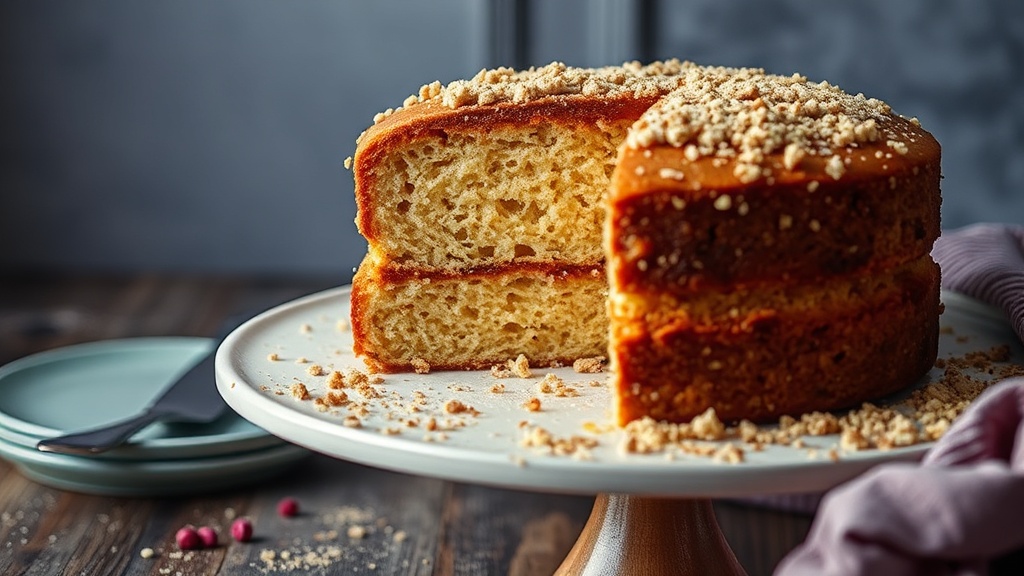
A heavy, unyielding slice of sponge sits on a ceramic plate, falling apart into dry, sandy crumbs the moment a fork touches it. This is the frustration of a dense, crumbly cake. Instead of the light, airy crumb you expected, you are left with a texture that feels more like a heavy pound cake or, worse, a piece of dry bread. This post identifies the technical reasons behind these texture failures—specifically focusing on ingredient ratios, mixing techniques, and oven temperatures—so you can achieve a consistent, professional result in your own kitchen.
The Science of Density: Why Your Cake Lacks Lift
Density in baking is almost always a result of a failure in aeration or a lack of structural support. When a cake is dense, it means the air bubbles created during the mixing process either never formed or collapsed before the structure of the cake could set.
Overworking the Flour and Gluten Development
One of the most common culprits for a dense, tough cake is over-mixing the batter once the flour is added. When you mix flour with liquid, proteins called glutenin and gliadin begin to bond to form gluten. In a bread recipe, you want significant gluten development to create chewiness. In a cake, you want minimal gluten. If you use a stand mixer like a KitchenAid and leave the mixer running on medium speed for too long after adding your flour, you are physically developing the gluten network. This results in a cake that is not only dense but also has a rubbery, bread-like texture.
The Fix: Once the flour streaks disappear, switch to a spatula and use a folding motion by hand. Use a silicone spatula to scrape the bottom of the bowl, ensuring no pockets of dry flour remain, but stop the moment the batter looks homogenous. If you are using a hand mixer, use the lowest speed possible and watch the batter closely.
Improper Creaming of Butter and Sugar
The "creaming method" is the foundation of most sponge and butter cakes. The goal is to beat softened butter and granulated sugar together until the mixture is pale, fluffy, and significantly increased in volume. This process creates millions of tiny air pockets within the fat. If you skip this or do it too quickly, you won't have enough air to expand in the oven, leading to a heavy, flat cake.
The Fix: Use a high-quality unsalted butter, such as Kerrygold or a local Montréal dairy brand, and ensure it is truly "room temperature"—it should yield to gentle pressure but not be greasy or melting. Cream the butter and sugar for at least 3 to 5 minutes on medium speed. The mixture should look like pale yellow frosting, not just a gritty paste.
The Temperature of Your Ingredients
If you add cold eggs to a creamed butter and sugar mixture, the fat in the butter will seize. This causes the emulsion to "break," resulting in a curdled batter. A broken emulsion cannot hold air effectively, which leads directly to a dense, uneven crumb. This is particularly common when making recipes that require multiple emulsified steps, much like the precision needed when learning why your macarons are cracking.
The Fix: Every ingredient—eggs, milk, sour cream, or even fruit purées—must be at the same temperature as your creamed butter. If your butter is at 20°C, your eggs should also be around 20°C. You can warm cold eggs quickly by placing them in a bowl of warm water for five minutes before cracking.
The Science of Crumbliness: Why Your Cake Is Falling Apart
While density is a lack of air, crumbliness is a lack of cohesion. A crumbly cake lacks the moisture or the structural "glue" required to hold the crumbs together. This often stems from an imbalance in your dry-to-wet ingredient ratios or an error in how you handle your leavening agents.
Incorrect Flour-to-Liquid Ratio
A cake that crumbles easily often has too much flour or too little moisture. This can happen if you use a measuring cup to scoop flour directly from the bag. Scooping packs the flour down, meaning you might actually be adding 20-30% more flour than the recipe intends. This excess flour absorbs all the available moisture, leaving the cake structurally weak and dry.
The Fix: Always use a digital scale to measure ingredients by weight (grams) rather than volume (cups). If you must use volume, use the "spoon and level" method: spoon the flour into the measuring cup and level it off with the back of a knife. This ensures you aren't over-packing the flour and creating a dry, crumbly result.
The Role of Sweeteners and Moisture
The type of sugar you use affects the moisture levels of your cake. Granulated sugar is hygroscopic, meaning it attracts water, but it also aids in structure. If you substitute a liquid sweetener or a different type of sugar without adjusting the recipe, you can disrupt the crumb. For instance, using too much honey or maple syrup can make a cake too heavy, while using too much granulated sugar without enough fat can lead to a brittle, crumbly texture. Understanding 6 types of sweeteners that change your baking results is essential for mastering these ratios.
Leavening Agent Imbalance
Leavening agents—baking powder and baking soda—are responsible for the lift. However, if you use too much baking powder, the cake will rise too quickly in the oven, the air bubbles will become too large and fragile, and the cake will eventually collapse, leaving a dense, crumbly mess. Conversely, if you use too little, the cake will never achieve the necessary lift and will remain a heavy, unappealing block.
The Fix: Always check the expiration date on your baking powder. If it has been sitting in your pantry for more than six months, it may have lost its potency. To test it, drop a teaspoon of baking powder into a little hot water; if it doesn't fizz vigorously, throw it away and buy a fresh tin.
Oven Dynamics and Heat Management
Even with a perfect batter, your oven can ruin your cake's texture. The relationship between heat and the setting of the cake's structure is a delicate balance of chemistry and physics.
Oven Temperature Too High
If your oven is too hot, the exterior of the cake will set and brown before the center has had a chance to rise. This creates a "dome" that eventually cracks and collapses, resulting in a dense center and a crumbly, overcooked edge. This is often seen when using older electric ovens that may have inconsistent heat distribution.
The Fix: Use an oven thermometer. Most built-in oven displays are notoriously inaccurate. A cheap digital thermometer placed inside the oven will give you the true temperature. If you notice your cakes are always domed and dense in the middle, try lowering your temperature by 15°F (approx. 10°C) and baking for a slightly longer duration.
Underbaking and the "Wet" Center
A cake that feels "crumbly" when warm might actually be underbaked. If the internal structure (the starch and protein) hasn't fully set, the cake will fall apart as soon as it is sliced. This is common with dense cakes like carrot cake or heavy chocolate cakes where the moisture content is high.
The Fix: Do not rely solely on a timer. Use a wooden skewer or a thin cake tester. Insert it into the thickest part of the cake. It should come out with a few moist crumbs attached, but it should not have wet batter on it. If it comes out clean, the cake is done. If it has liquid batter, it needs more time. Additionally, let the cake cool in the pan for 10 minutes before transferring it to a wire rack; this allows the structure to firm up slightly before it is subjected to gravity.
Quick Troubleshooting Checklist
Before you start your next bake, keep this checklist nearby to ensure your ingredients and tools are ready for the task:
- Is my butter truly room temperature? (Not melted, but soft and pliable).
- Are my eggs at room temperature? (To prevent emulsion breakage).
- Am I weighing my flour? (Use a scale for precision).
- Did I over-mix the batter? (Stop as soon as the flour is incorporated).
- Is my baking powder fresh? (Test it with hot water first).
- Is my oven temperature accurate? (Check with an internal thermometer).
Baking is a precise medium. While it allows for immense creativity, the foundation must always be technical. Treat your batter like a canvas and your ingredients like your pigments—measure them with intention, and respect the chemistry that brings them to life.
Steps
- 1
Check Your Leavening Agents
- 2
Avoid Overmixing the Batter
- 3
Verify Ingredient Temperatures
- 4
Monitor Oven Temperature Accuracy