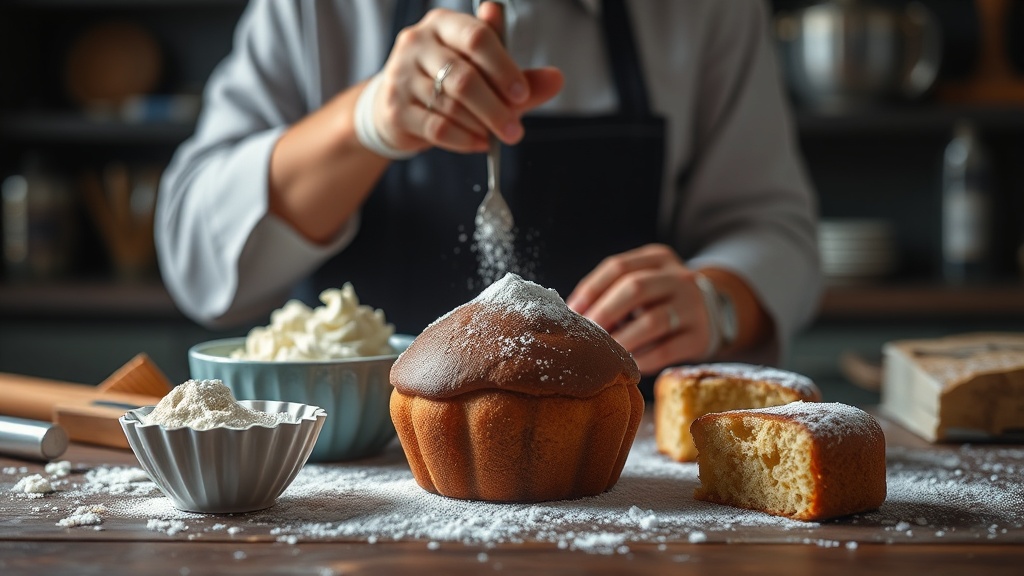
Unlock Smoother Bakes: The Power of Room Temperature Ingredients

Achieving consistently smooth, perfectly textured baked goods isn't always about complex techniques—sometimes, it’s about simple preparation. This quick tip will explain why bringing your butter, eggs, and other dairy ingredients to room temperature before mixing is a foundational step for superior results, ensuring everything comes together beautifully and bakes evenly.
Why do room temperature ingredients truly matter for my baking?
The temperature of your ingredients directly impacts the chemistry and structure of your final product. Take butter, for instance: when it's at room temperature, it can properly emulsify with sugar during the creaming process. This action incorporates tiny air pockets, which are critical for giving cakes and cookies their light, airy crumb. Cold butter, conversely, resists blending, leading to a dense texture and uneven mixing. Similarly, cold eggs can cause a batter to seize or curdle, interrupting the smooth flow of ingredients and making it difficult to achieve a homogenous mixture. Even milk or buttermilk, when cold, can shock the other ingredients, hindering proper emulsification and distribution.
Understanding this interaction helps demystify why some bakes turn out dense or lumpy, even when you follow a recipe precisely. It’s all about creating the optimal environment for ingredients to bind and react as intended. For more on the science of emulsions, you might find this explanation from