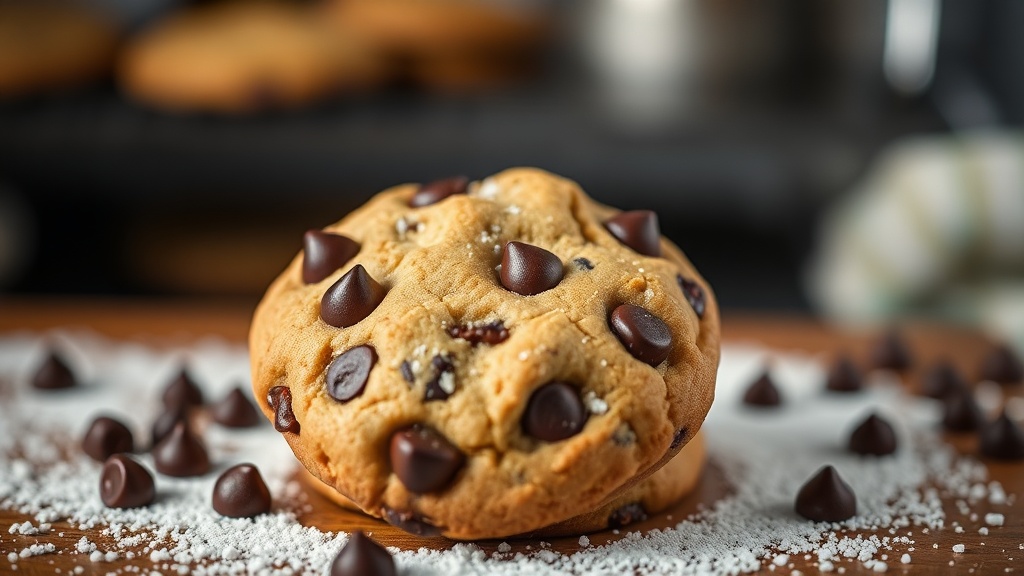
The Science Behind Perfect Chocolate Chip Cookies

This post examines the chemical and physical transformations that occur during chocolate chip cookie production, providing precise technical knowledge to help bakers achieve consistent, professional-quality results. Understanding the interactions between ingredients—how butter temperature affects spread, why sugar ratios determine texture, how protein content in flour builds structure—transforms cookie baking from guesswork into a controlled process. Whether producing small batches at home or scaling recipes for commercial kitchens, these principles apply universally.
The Fat Factor: Butter Temperature and Cookie Architecture
Butter serves as the primary fat in most chocolate chip cookie formulas, typically comprising 40-50% of the dough's total weight. The temperature of this butter at the mixing stage fundamentally determines the final cookie's texture and appearance.
Creamed butter (65-68°F/18-20°C) traps air during the creaming process with sugar. This mechanical leavening creates cookies with greater height, a more cake-like crumb, and defined edges. The fat remains plastic—soft enough to expand but firm enough to hold shape during initial oven spring.
Melted butter (90-95°F/32-35°C) produces denser, chewier cookies with greater spread. Without the air pockets introduced through creaming, the dough relies entirely on chemical leavening. The resulting cookies typically spread 25-30% more than their creamed-butter counterparts and develop more pronounced caramelization on the edges due to increased surface contact with the baking sheet.
Browned butter introduces Maillard reaction compounds and milk solids that have undergone thermal degradation. When butter is heated to 250-300°F (121-149°C) until the milk solids turn amber, it loses approximately 15-20% of its water content. Bakers must account for this moisture loss—reduce the total butter weight by 15% or add back liquid (water, milk, or cream) to maintain proper hydration ratios. The nutty, toffee-like flavor compounds (primarily furans and pyrazines) permeate the finished cookie.
Sugar Chemistry: The Sucrose-to-Glucose Ratio
Chocolate chip cookie formulas typically contain 1:1 to 2:1 ratios of granulated sugar to brown sugar. This ratio directly controls moisture retention, spread, and browning.
Granulated sugar (sucrose) crystallizes upon cooling, contributing to crisp texture. It melts at 366°F (186°C) and promotes spread. In cookies with high granulated sugar content (70%+ of total sugar), the edges become glassy and shatter when broken.
Brown sugar contains 3.5-6.5% molasses by weight, introducing hygroscopic glucose and fructose molecules. These sugars attract and retain moisture, producing softer, chewier cookies that stay fresh longer. The acidic pH of brown sugar (approximately 4.5-5.5) also reacts with baking soda, producing additional leavening carbon dioxide.
For a balanced cookie with crisp edges and chewy centers, a formula calling for 200g total sugar might use 120g granulated sugar and 80g brown sugar. Swapping these ratios—80g granulated and 120g brown—produces a noticeably softer, more molasses-forward cookie with less defined edges.
Flour Selection and Gluten Development
All-purpose flour remains the standard for chocolate chip cookies, typically with a protein content of 10-12%. The protein percentage directly correlates with gluten formation and structural integrity.
- Cake flour (7-9% protein): Produces tender, delicate cookies with minimal chew. The low protein cannot support heavy mix-ins like chocolate chunks or nuts without crumbling.
- All-purpose flour (10-12% protein): The standard for balanced cookies—sufficient structure without toughness.
- Bread flour (12-14% protein): Creates notably chewy cookies with substantial body. The increased gluten network withstands higher hydration doughs and produces cookies that hold their shape.
Mixing method affects gluten development as much as flour selection. Over-mixing once eggs are incorporated develops excessive gluten, producing tough, rubbery cookies. The optimal technique: mix dry and wet ingredients separately, then combine until just incorporated—typically 20-30 seconds of mixing at low speed. Some visible flour streaks should remain before folding in chocolate; the resting period will hydrate remaining flour particles.
The Egg Variable: Yolks, Whites, and Emulsification
Whole eggs in standard chocolate chip cookie formulas (typically 1 large egg per 8 oz/227g flour) provide structure through protein coagulation, moisture, and emulsification. The lecithin in egg yolks binds fat and water phases, creating uniform dough texture.
Modifying egg composition alters cookie texture predictably:
- Additional egg yolk: Adding one extra yolk to a standard batch (while keeping the whole egg count the same) increases fat content by approximately 5g and introduces emulsifiers that create fudgier, denser cookies. The extra fat interferes with gluten development, producing more tender results.
- Egg whites only: Removing yolks produces crisper, lighter cookies that spread significantly. The high water content of whites (approximately 90%) creates steam during baking, contributing to rise but drying quickly after cooling.
- Room temperature eggs (68-70°F/20-21°C): Incorporate more smoothly into creamed butter, creating better emulsification than cold eggs (40°F/4°C) which can cause the butter to seize and separate.
Leavening Agents: Chemical and Physical
Baking soda (sodium bicarbonate) remains the primary leavening agent in most chocolate chip cookie recipes, used at rates of 0.5-1% relative to flour weight. Unlike baking powder, baking soda requires acidic ingredients to activate—brown sugar, molasses, honey, or cocoa powder all provide this acidity.
The reaction between baking soda and acid produces carbon dioxide gas immediately upon mixing. In cookies, this initial production creates slight expansion, but the majority of leavening occurs in the oven when heat accelerates the reaction and causes additional steam expansion.
Too much baking soda (exceeding 1.25% of flour weight) produces cookies with unpleasant metallic flavors and excessive spread followed by collapse. The sodium bicarbonate alkalinity also accelerates Maillard browning, potentially burning edges before centers set.
Chocolate: Fat Content and Form Factor
Not all chocolate performs equally in cookies. The key variables are cocoa butter percentage, form factor, and brand-specific formulations.
Chocolate chips contain stabilizers (typically soy lecithin) and lower cocoa butter content (28-32%) that help them maintain their shape during baking. Toll House semisweet morsels contain 29% cocoa butter, while Ghirardelli 60% cacao chips contain slightly higher percentages. These formulated chocolates provide distinct pockets of chocolate in the finished cookie.
Chopped chocolate bars (fèves or hand-chopped from 70% dark tablets) contain 35-40% cocoa butter and no stabilizers. These melt into irregular pools and streaks, creating varied chocolate distribution and glossy, spread-out molten areas. Valrhona Caraïbe 66% or Callebaut 70% provide intense flavor but require careful handling—high cocoa butter content can leave greasy residue if over-incorporated.
Milk chocolate (30-40% cocoa solids) introduces additional sugar and milk proteins that brown faster. When substituting milk chocolate for dark in a formula, reduce sugar by 10-15% to maintain sweetness balance and consider reducing oven temperature by 25°F to prevent burning.
Temperature Control: The Baking Environment
Oven temperature determines spread, rise, and texture development. Three common approaches produce distinct results:
375°F (190°C): The standard temperature for chocolate chip cookies. At this heat, exterior proteins set quickly while interiors remain molten, creating the contrast between crisp edges and soft centers. Total bake time: 10-12 minutes.
325°F (163°C): Lower temperature baking extends the cook time to 15-18 minutes, allowing more spread before structure sets. This produces thinner, more uniformly textured cookies with greater caramelization depth.
425°F (218°C) initial, reduced to 375°F: Starting at high heat creates rapid steam expansion and exterior setting, then reducing temperature allows centers to cook through without burning. This technique produces maximum height and dramatic surface cracks.
Convection ovens (with forced air circulation) bake approximately 25% faster than conventional ovens. Reduce temperature by 25°F when using convection, or shorten baking time by 2-3 minutes.
Resting and Aging: The 24-Hour Rule
Resting cookie dough in the refrigerator fundamentally alters the final product. During extended chilling (minimum 4 hours, optimal 24-72 hours), three processes occur:
Hydration completion: Flour proteins gradually absorb liquid, allowing gluten relaxation and more even moisture distribution. The dough becomes noticeably firmer and less sticky.
Sugar dissolution: Granulated sugar crystals dissolve into the available liquid, creating a more concentrated syrup that spreads less during baking. Rested dough produces cookies with 10-15% less spread than freshly mixed dough.
Flavor development: Maillard reaction precursor compounds form during the resting period. Dough aged 36 hours produces cookies with noticeably more complex, toffee-like flavors compared to fresh dough. The difference is detectable in blind taste tests.
Resting is particularly critical for high-hydration doughs (those with added milk, cream, or extra eggs) and doughs containing bread flour, as the extended hydration period fully develops the gluten network.
Troubleshooting Common Defects
Cookies spread excessively: Butter was too warm during mixing, or insufficient flour was used. Check flour measurement by weight—one cup of all-purpose flour should weigh 120-125g. Volume measurements can vary by 20%.
Cookies remain puffy and cake-like: Excessive flour, over-mixing, or insufficient sugar. Check that butter was properly creamed; under-creamed butter fails to incorporate sufficient air.
Burned edges, raw centers: Oven too hot or baking sheet too dark. Dark non-stick sheets absorb more radiant heat than light aluminum. Reduce oven temperature by 25°F when using dark pans.
Chocolate seizes or burns: Chocolate with insufficient cocoa butter exposed directly to pan surface. Ensure dough fully surrounds chocolate pieces, or use chocolate with higher cocoa butter content (35%+).
Testing these variables systematically—changing one element at a time—builds intuitive understanding of how each ingredient and process contributes to the final cookie. Document results, adjust formulas, and repeat. The perfect chocolate chip cookie is not a matter of luck but of controlled variables and reproducible technique.