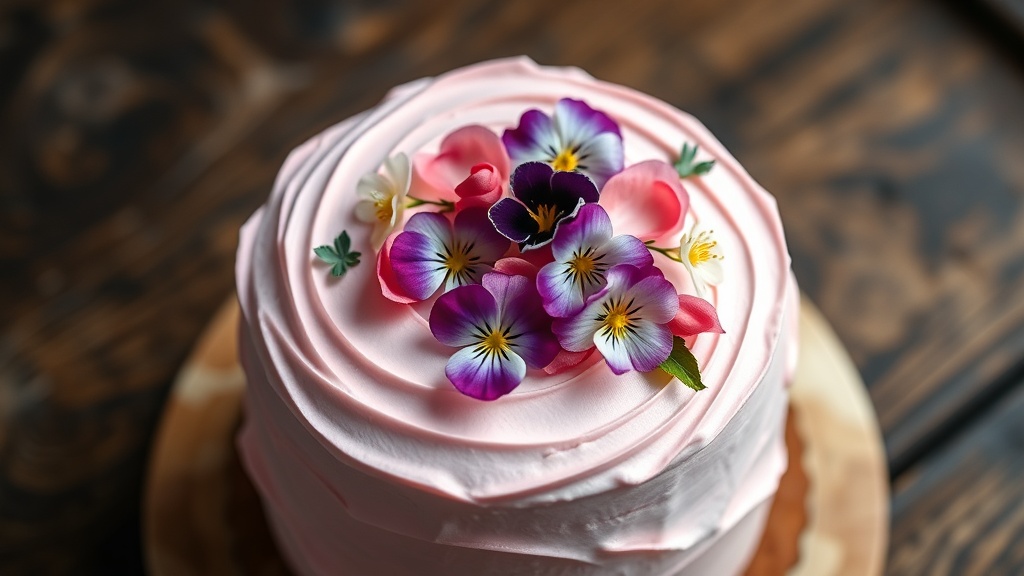
How to Bake with Edible Flowers — Spring‑Ready Pastry Ideas
Ever wonder why spring pastries look like they belong in a garden? The secret is edible flowers—nature’s confetti that turns a simple tart into a work of art.
I first fell in love with floral baking at the Montreal flower market last year. The colors, the aromas, and the way a single blossom can transform a bite inspired me to experiment in my kitchen. If you’ve been hesitant—thinking flowers are just for garnish or that they’re too fancy—this guide will show you how to bake with them confidently, safely, and deliciously.
What are edible flowers and why use them?
Edible flowers are the blossoms of plants that are safe to eat. They add color, fragrance, and subtle flavor notes ranging from peppery (nasturtium) to citrusy (violet). According to the U.S. Department of Agriculture, over 200 flower species are approved for culinary use. Using them lets you:
- Elevate visual appeal without artificial dyes.
- Introduce nuanced flavors that complement sweet and savory pastries.
- Celebrate seasonal produce—most edible blooms peak in spring.
Where can I source fresh, safe edible flowers?
- Farmers’ markets – Look for vendors who label “edible” or “culinary” blossoms.
- Specialty grocery stores – Chains like Whole Foods carry pansies, roses, and lavender.
- Grow my own – I keep a small balcony garden of calendula and nasturtium; they’re ready to harvest within weeks.
Pro tip: Always verify that the flowers have no pesticides and are not treated with chemicals. The Royal Horticultural Society recommends buying from trusted organic growers.
How do I prep edible flowers for baking?
| Step | Action | Reason |
|---|---|---|
| 1 | Rinse gently in cold water, swish for 10 seconds. | Removes dust without bruising petals. |
| 2 | Pat dry with a paper towel. | Excess moisture can make batter soggy. |
| 3 | Trim stems to 1‑2 cm. | Prevents bitter stems from showing. |
| 4 | Remove any white base (the part that attaches to the flower head). | Reduces bitterness. |
| 5 | Store in a single layer on a damp cloth, covered, up to 24 hours. | Keeps them fresh without wilting. |
How do I make Lavender‑Honey Madeleines with Rose Petal Glaze?
What you’ll need
- 2 cups all‑purpose flour
- 1 tsp baking powder
- ¼ tsp salt
- 3 large eggs
- ¾ cup honey
- ½ cup melted butter (cooled)
- 2 tbsp dried culinary lavender (optional)
- 1 tbsp fresh rose petals (plus extra for garnish)
- 1 tbsp lemon zest
Steps
- Pre‑heat the oven to 375 °F (190 °C) and grease a madeleine pan.
- Whisk flour, baking powder, salt, and lavender together.
- Beat eggs and honey until light and fluffy (about 3 minutes).
- Fold the dry mixture into the egg‑honey blend, then add butter and lemon zest.
- Stir in rose petals gently—don’t over‑mix.
- Spoon batter into molds (¾ full) and bake 10‑12 minutes until edges are golden.
- Cool on a rack, then drizzle a glaze made of powdered sugar, honey, and a few extra rose petals.
The honey amplifies the floral notes while the butter keeps the madeleines moist. Lavender adds a whisper of perfume without overpowering the delicate rose.
What pro tips ensure flawless floral pastries?
- Match flavor intensity: Strong‑scented flowers (e.g., lavender) pair best with mild bases like vanilla or citrus.
- Avoid bitter varieties: Marigold and chrysanthemum can taste harsh; reserve them for decorative garnish only.
- Use frozen petals for stability: If fresh flowers wilt quickly, freeze them flat and thaw just before use.
What common mistakes should I avoid when baking with edible flowers?
| Mistake | Symptom | Fix |
|---|---|---|
| Using pesticide‑treated blooms | Bitter, off‑flavors | Source organic, verify with vendor. |
| Over‑mixing batter after adding petals | Petals turn mushy, texture changes | Fold gently, add at the last moment. |
| Baking at too high temperature | Petals scorch, turning black | Keep oven at 350‑375 °F; monitor the last 2 minutes. |
| Storing wet flowers | Soggy pastries, soggy crust | Pat dry completely; store in a single layer. |
What should be in my floral baking starter kit?
- Fresh edible flowers (lavender, rose, violet, calendula)
- Fine mesh sieve (to remove stray stems)
- Small pastry brush (for glaze)
- Madeleines or tart pans (your favorite shape)
Now you have everything you need to turn a spring day into a pastry garden.
What is the key takeaway?
Edible flowers aren’t just eye‑candy; they’re a versatile ingredient that can elevate flavor, aroma, and storytelling in your baked goods. Start simple—sprinkle a few rose petals on a lemon cake, then graduate to full‑on floral recipes like the lavender‑honey madeleines. Your kitchen will never look the same again.
Related Reading
Steps
- 1
Pre‑heat oven and prepare pan
Pre‑heat to 375 °F (190 °C) and grease a madeleine pan.
- 2
Mix dry ingredients
Whisk flour, baking powder, salt, and lavender together.
- 3
Combine wet ingredients
Beat eggs and honey until light and fluffy, then fold in dry mix.
- 4
Add butter, zest, petals
Stir in cooled butter, lemon zest, and rose petals gently.
- 5
Bake
Spoon batter into molds (¾ full) and bake 10‑12 minutes until golden.
- 6
Glaze and serve
Cool, then drizzle honey‑powdered‑sugar glaze and garnish with extra rose petals.