Embracing Bio‑Harmony: Sync Lifestyle with Your Circadian Rhythm

Hook
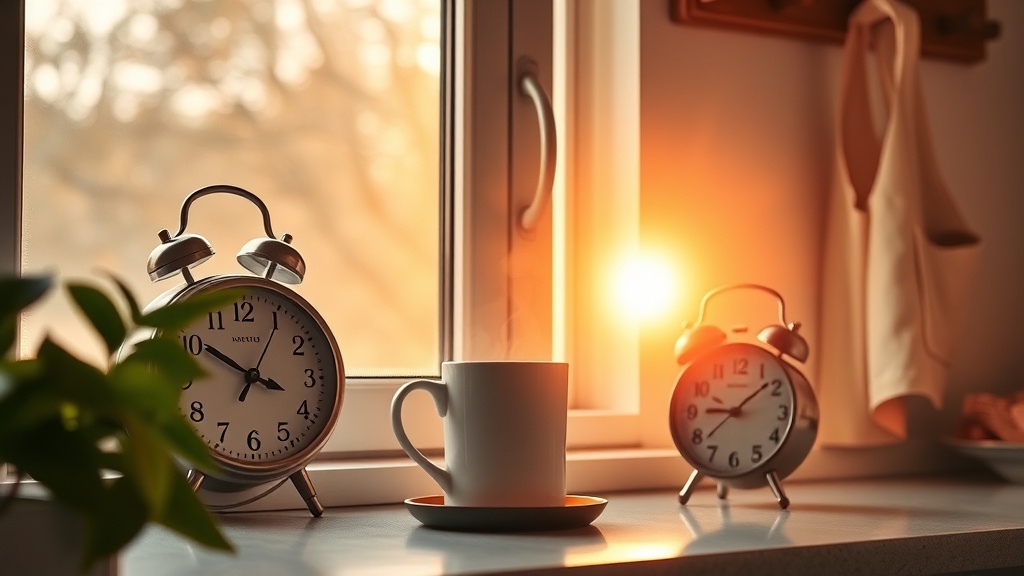
Ever notice how a sunrise can make your kitchen feel like a studio, and a late‑night snack feels like a mis‑step? What if you could turn that feeling into a daily advantage by syncing every habit with your body’s natural clock?
Context
As we step into spring, the world outside is already nudging us to reset—longer daylight, blooming flowers, fresh produce. Aligning our routines with that rhythm, a concept I call bio‑harmony, can boost our energy, creativity (yes, even for baking), and overall well‑being.
What is Bio‑Harmony and Why Does It Matter?
Answer: Bio‑harmony is the practice of tailoring your lifestyle—sleep, meals, work, and even creative bursts—to your circadian rhythm, the 24‑hour internal clock that regulates hormones, metabolism, and mood.
Research from the National Sleep Foundation shows that misaligned rhythms increase risks of weight gain, mood disorders, and reduced cognitive performance. In 2026, lifestyle brands are highlighting “rhythm‑aligned living” as the next big wellness trend (see Harvard Health Publishing, 2026).
How Can You Sync Your Morning Routine with Your Body Clock?
When should you greet the day?
Your body naturally releases cortisol about 30‑45 minutes after waking, a hormone that helps you feel alert. Aim to wake up within the first hour of sunrise (or use a light‑box if it’s still dark). In Montreal, that’s roughly 6:30 am in early spring.
What breakfast fuels a rhythmic start?
Choose foods rich in protein and healthy fats to stabilize blood sugar. I love a warm rye toast with almond butter—the nutty flavor reminds me of the earthy tones in my spring pastries. Pair it with a cup of green tea (low caffeine) to avoid a mid‑morning crash.
How does movement fit in?
A short 5‑minute stretch or a gentle yoga flow activates the suprachiasmatic nucleus (the brain’s master clock). Try a simple sun‑salutation sequence while the kitchen light filters in; it sets a tone of mindful creation for the day.
What Evening Rituals Help You Wind Down the Right Way?
When should the lights go down?
Aim for dim lighting at least an hour before bedtime. Blue‑light‑blocking glasses can help if you’re scrolling on a phone. A warm amber glow signals your brain that it’s time to produce melatonin.
What dinner supports a smooth night?
Eat your last substantial meal 2‑3 hours before sleep. A light plate of roasted carrots, quinoa, and a drizzle of citrus‑infused olive oil (think the inspiration behind my Saffron & Blood Orange Olive Oil Cake) balances carbs and protein without overloading digestion.
How to end the day creatively?
I journal for five minutes, noting any flavors or ideas that popped up during the day. This not only clears mental clutter but also captures the creative spark that often strikes just before sleep.
How Does Nutrition Timing Support Your Circadian Rhythm?
Which foods boost circadian health?
- Complex carbs (whole grains) in the morning to fuel cortisol‑driven energy.
- Omega‑3 rich foods (salmon, walnuts) in the afternoon to support brain function.
- Herbal teas (chamomile, lavender) in the evening to promote relaxation.
Should I avoid anything?
Limit caffeine after 2 pm and heavy, sugary snacks close to bedtime—both can delay melatonin release.
What Practical Tips Can You Start Using Today?
- Check your light exposure. Open curtains at sunrise; use a sunrise alarm clock if needed.
- Set a consistent wake‑up time (even on weekends). Consistency beats occasional “sleep‑in” days.
- Plan meals around daylight. Breakfast within the first light window, dinner before it fades.
- Create a wind‑down ritual. Dim lights, gentle stretch, journal.
- Track your rhythm. Apps like Rise & Shine (2026 update) let you log sleep, meals, and mood to see patterns.
Takeaway
Bio‑harmony isn’t a strict schedule—it’s a flexible, creative partnership with your body’s clock. By nudging your daily habits toward the natural light‑dark cycle, you’ll notice sharper focus in the kitchen, steadier energy, and a deeper sense of seasonal flow—perfect for a spring‑time baker like us.
Related Reading
- The Spring Flower Market Made Me Want to Bake: Edible Flowers as a Starting Point – How seasonal blooms can inspire both food and wellness.
- The First Maple of March: A Brown Butter & Maple Tart – Celebrate spring’s early sweetness while honoring natural rhythms.
- Maple Season Is a Baking Season: Beyond Maple Syrup on Pancakes – Explore how seasonal ingredients align with circadian timing.
- Meyer Lemon and Rosemary Ricotta Cake — The Bridge Between Winter and Spring – A bright spring‑focused cake that embodies the seasonal energy we talk about.
<meta.faqs>
[
{"question": "What is bio‑harmony?", "answer": "Bio‑harmony is the practice of aligning your daily habits—sleep, meals, activity—with your body’s natural circadian rhythm for better health and creativity."},
{"question": "How can I adjust my sleep schedule for spring?", "answer": "Wake up within the first hour of sunrise, keep a consistent bedtime, and dim lights an hour before sleep to support melatonin production."},
{"question": "What foods support a healthy circadian rhythm?", "answer": "Complex carbs in the morning, omega‑3 rich foods in the afternoon, and herbal teas like chamomile in the evening help keep your clock in sync."}
]
</meta.faqs>