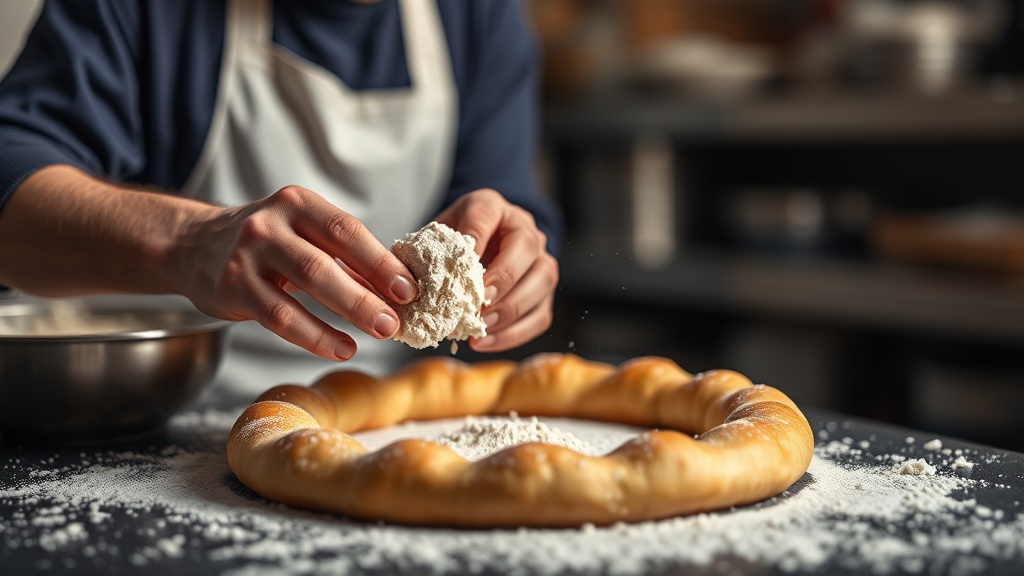
Creating Structure with High-Protein Flour in Pastry

You will learn how to select, measure, and use high-protein flours to build structural integrity in your baked goods.
Understanding the relationship between protein content and gluten development changes how you approach every recipe. While many home bakers focus on flavor, the actual skeleton of your pastry—the structural framework—is built by proteins. This post covers how to identify the right flour for specific textures, why protein matters more than you might think, and how to manage it through mixing techniques.
When I was studying fine arts, I obsessed over the viscosity of paint. In baking, flour is my paint, and protein is the binder that holds the shape. If you want a loaf of bread that stands tall or a bagel that has that signature chew, you can't just grab any white powder from the pantry. You need to understand the chemistry of what you are working with.
Why does protein content change the texture of my bread?
Protein in flour consists primarily of glutenin and gliadin. When these two meet water and mechanical action (like kneading), they form gluten—a stretchy, elastic network. A higher protein content means a stronger, more resilient structure. For instance, a low-protein cake flour creates a tender, crumbly texture because the protein network is weak. Conversely, a high-protein bread flour creates a tough, chewy structure because the network is dense and strong.
If you are making a soft brioche, you might want a medium protein level. If you are aiming for a crusty sourdough, you need that high-protein backbone. You can check the specific protein levels of your brand by looking at the packaging; most professional-grade flours list this on the bag. For more technical details on how proteins behave during baking, the King Arthur Baking resource provides excellent breakdowns of different flour types and their specific uses.
Can I use bread flour instead of all-purpose flour?
The short answer is yes, but your results will change. If you swap all-purpose flour for bread flour in a cookie recipe, you'll likely end up with a cookie that is much chewier and potentially more spread-prone if the dough isn't handled correctly. The higher protein content increases the dough's strength, which can actually prevent spreading, but it can also make a pastry feel "bread-like" or overly tough if you aren't careful.
Consider this table to help you decide which flour to reach for based on your desired outcome:
| Flour Type | Typical Protein % | Best Use Case |
|---|---|---|
| Cake Flour | 7-9% | Light sponges, delicate cakes |
| Pastry Flour | 8-10% | Pie crusts, tarts, biscuits |
| All-Purpose | 10-12% | Cookies, general baking |
| Bread Flour | 12-14% | Sourdough, bagels, pretzels |
If you are working with a recipe that calls for a specific type, don't just wing it without understanding the consequence. A recipe designed for cake flour will fail if you use bread flour because the excess protein will make the cake dense and rubbery rather than light and airy.
How do I prevent my dough from becoming too tough?
If you've noticed your pastries are coming out tough or overly chewy, you're likely over-developing the gluten or using a flour with too much protein for that specific dish. To prevent this, you have to control two things: the amount of water and the amount of agitation. In a pastry-heavy kitchen, we often use "shortening" techniques—which is just a fancy way of saying we're coating the flour in fat to prevent protein strands from linking up.
When making a pie crust, for example, you want to add cold fat (like butter or lard) to the flour. This fat acts as a barrier, preventing the water from reaching the protein molecules too quickly, which limits gluten development. This is why many professional bakers use the technique of cold-mixing. If the fat melts before it hits the oven, the gluten develops, and you lose that flaky, tender texture.
Another way to manage protein is through the addition of fats and sugars. Sugar is actually hygroscopic, meaning it attracts water. By pulling water away from the flour proteins, sugar helps keep the final product tender. This is why a high-protein bread might feel soft and sweet, while a high-protein bagel feels tough and chewy—the ratio of sugar and water to protein is drastically different.
I often tell my students that baking is a game of tension. You are balancing the desire for a strong, upright structure against the desire for a soft, melt-in-your-mouth texture. If you want a high loaf, you want high tension (high protein). If you want a tender crumb, you want low tension (low protein). Once you master this, you stop following recipes blindly and start understanding the "why" behind every scoop of flour.