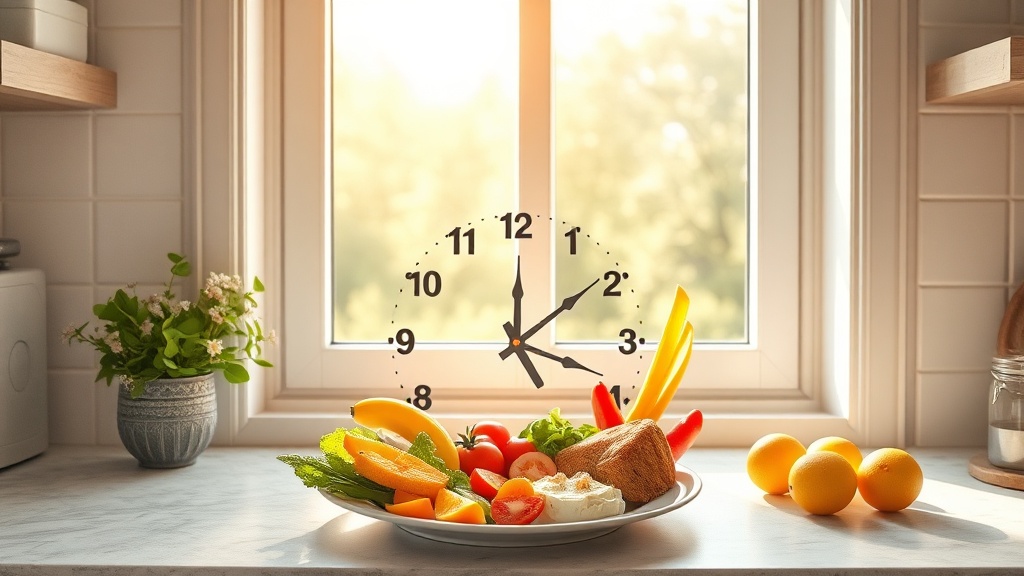
Bio‑Harmony: Eat with Your Circadian Rhythm for a Healthier Spring 2026

Can You Really Eat to Your Body’s Clock?
Imagine a breakfast that fuels you until noon, a lunch that keeps your afternoon slump at bay, and a dinner that lets you drift into sleep without tossing and turning. That's the promise of Bio‑Harmony – a rising 2026 trend that syncs your meals with your circadian rhythm, the 24‑hour internal clock that governs everything from hormone release to digestion.
Why Does Timing Matter More Than You Think?
Research shows that our bodies process nutrients differently depending on the time of day. A study from the Journal of Chronobiology (2025) found that insulin sensitivity peaks in the late morning and wanes after 6 p.m., meaning the same meal can spike blood sugar at night but be perfectly balanced at breakfast. In other words, eating “right” isn’t just about what you eat—it’s also about when you eat it.
How Can You Build a Bio‑Harmony Meal Plan?
Below is a step‑by‑step guide that lets you align your daily menu with the natural ebb and flow of your metabolism.
1. Identify Your Personal Rhythm
Most people follow a “morning‑type” (larks) or “evening‑type” (owls) pattern. A quick self‑assessment – note when you feel most alert and when you hit the snooze button – will tell you which side of the spectrum you fall on. For a deeper dive, check out our Bio‑Harmony primer that explains the science behind chronotypes.
2. Map Your Core Meals to Metabolic Peaks
- Breakfast (7‑9 am): Focus on protein and complex carbs to capitalize on peak insulin sensitivity. Think Greek yogurt with oats, berries, and a drizzle of maple syrup.
- Mid‑day Lunch (12‑2 pm): Keep it light but nutrient‑dense. A quinoa salad with roasted veggies and a lemon‑tahini dressing provides sustained energy without a post‑lunch crash.
- Early Evening Dinner (5‑7 pm): Aim for lower‑glycemic foods and lean protein. Grilled salmon, steamed asparagus, and a side of sweet potato keep digestion gentle as you wind down.
3. Add Rhythm‑Friendly Snacks
When you need a bite between meals, choose snacks that support your clock. A handful of almonds at 10 am, a piece of fruit at 3 pm, or a warm herbal tea (like chamomile) after 8 pm can smooth energy dips without spiking cortisol.
4. Hydration Is a Hidden Clock‑Keeper
Water intake influences hormone transport. Aim for 250 ml of water every hour, and swap caffeine for green tea after 2 pm to avoid interfering with melatonin production. Our Daylight‑Saving Sleep Hacks article explains why caffeine timing matters for circadian health.
5. Embrace Seasonal Ingredients
Spring 2026 brings an abundance of fresh greens, radishes, and herbs. Seasonal produce not only tastes better but also aligns with the natural light cycle, reinforcing your body’s rhythm. Try a spring pea‑mint soup for lunch or a strawberry‑basil salad for dinner.
What Are the Real Benefits?
When you practice Bio‑Harmony consistently, you may notice:
- Improved Energy Levels: Fewer mid‑day crashes and smoother afternoon focus.
- Better Sleep Quality: Eating earlier reduces nighttime insulin spikes that can disrupt melatonin.
- Weight Management: Metabolic alignment can help regulate appetite hormones like ghrelin.
- Enhanced Mood: Stable blood sugar supports neurotransmitter balance, reducing irritability.
These outcomes echo the findings in the National Institutes of Health review (2024), which linked chrono‑nutrition to lower inflammation markers.
How to Get Started This Weekend
- Take a 5‑minute chronotype quiz (search “morning vs evening chronotype quiz 2026”).
- Plan a three‑meal menu using the timing guide above.
- Shop locally for spring produce—think asparagus, peas, and fresh herbs.
- Prepare your meals, then set reminders on your phone to eat within the recommended windows.
- Track how you feel for a week. Note energy, sleep quality, and cravings.
After a week, tweak portions or timing based on what feels best. Bio‑Harmony isn’t a rigid rulebook; it’s a flexible framework that evolves with your lifestyle.
Frequently Asked Questions
What if I work night shifts? Shift workers can still apply Bio‑Harmony by creating a “personal daylight” schedule: use blackout curtains, dim lights after your “evening” period, and keep meals within a consistent 8‑hour window.
Do I need to count calories? Not necessarily. Focus first on timing; once your rhythm feels stable, you can fine‑tune calories for specific goals.
Can I still enjoy treats? Absolutely. A small piece of dark chocolate after dinner (around 8 pm) is fine as long as it doesn’t become a habit that pushes your eating window later.
Takeaway: Your Clock Is the Best Kitchen Timer
Bio‑Harmony isn’t a fleeting fad; it’s a science‑backed lifestyle shift that dovetails perfectly with the spring 2026 wellness wave. By syncing meals to your body’s natural rhythm, you’ll boost energy, improve sleep, and feel more in tune with the seasons. Give it a try this week, record the results, and let your body tell you what works. Ready to start? Grab a fresh spring veggie, set your timer, and eat with the sun.
Related Reading
- The 6 Pillars of a Healthier, Age‑Defying Lifestyle in 2026 — broader wellness habits that complement Bio‑Harmony.
- Daylight‑Saving Sleep Hacks: Boost Productivity This Spring — how light exposure and meal timing work together.
- Embracing Bio‑Harmony: Sync Lifestyle with Your Circadian Rhythm — the original deep‑dive that inspired this quick‑hit guide.