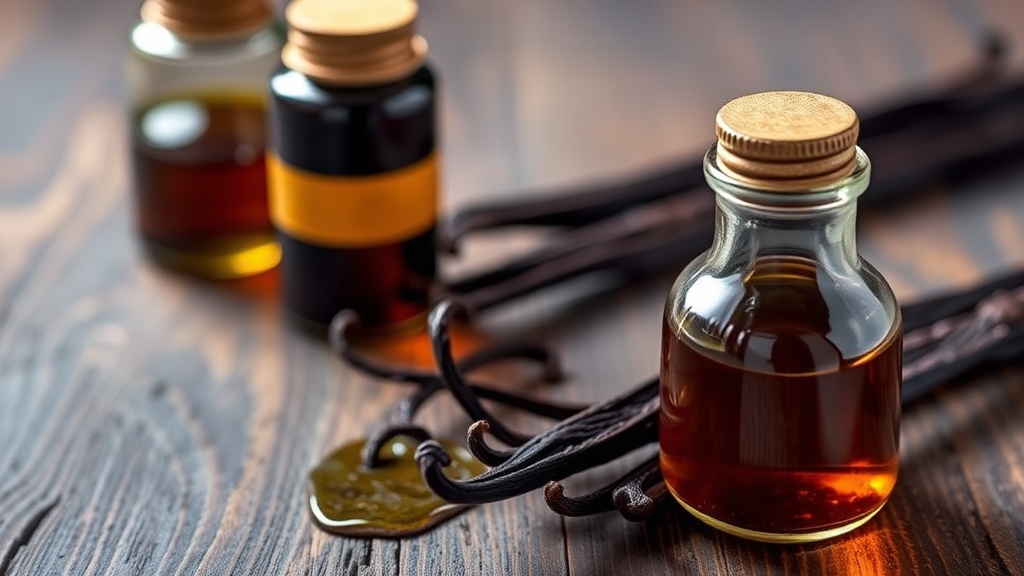
7 Types of Vanilla Extract You Should Know

Madagascar Bourbon Vanilla
Tahitian Vanilla
Mexican Vanilla
Vanilla Bean Paste
Vanilla Powder
Imitation Vanilla
Single Origin Vanilla
Have you ever wondered why your homemade vanilla cake tastes significantly different from the one you bought at a high-end patisserie? The answer often lies in the quality and type of vanilla extract you choose to use. Vanilla is not a monolithic ingredient; different varieties offer distinct flavor profiles, ranging from creamy and floral to smoky and robust. Understanding these nuances allows you to select the right tool for your specific recipe, whether you are making a delicate custard or a heavy spiced bread. This guide breaks down the seven most common types of vanilla you will encounter in professional and home kitchens.
1. Madagascar Bourbon Vanilla Extract
Madagascar Bourbon vanilla is the gold standard for most bakers. It is produced from the Vanilla planifolia orchid and is known for its heavy, creamy, and sweet aroma. If you are looking for that classic "vanilla" flavor that people associate with high-quality vanilla bean ice cream, this is your primary option. The flavor profile is relatively consistent, making it a reliable workhorse for a wide variety of recipes.
Because of its high sugar and vanillin content, it pairs exceptionally well with dairy-based recipes. I frequently use this in my Montréal studio for making crème brûlée or vanilla bean pastry cream. It has a rounded profile that doesn't overpower other ingredients but provides a deep, comforting base. When shopping, look for brands that specify "Pure Madagascar Bourbon Vanilla" to ensure you aren't getting an imitation blend.
Best uses for Madagascar Bourbon Vanilla:
- Vanilla bean ice cream and custards
- Classic sponge cakes and pound cakes
- Sugar cookies and shortbread
- Vanilla frostings and whipped cream
2. Tahitian Vanilla Extract
Tahitian vanilla comes from the Vanilla tahitensis orchid and offers a profile that is worlds apart from the Madagascar variety. While Madagascar is creamy and sweet, Tahitian vanilla is highly floral, fruity, and slightly more complex. It often carries notes of cherry, jasmine, or even anise. It is a more delicate and expensive extract, which is why it is often treated as a premium ingredient.
Because the flavor is so aromatic and "bright," it can sometimes clash with heavy, spice-forward recipes. However, it excels in recipes where you want the vanilla to provide a sophisticated, elegant finish. If you are making a light citrus-infused cake or a delicate fruit tart, Tahitean vanilla adds a layer of complexity that standard vanilla cannot achieve. It is also an excellent choice for flavoring syrups used in cocktails or high-end dessert garnishes.
Best uses for Tahitian Vanilla:
- Fruit-based tarts and galettes
- Lemon or citrus-infused cakes
- Light meringues and pavlovas
- Infusing simple syrups for beverages
3. Mexican Vanilla Extract
Mexican vanilla is a middle ground between the sweetness of Madagascar and the floral notes of Tahiti. It is typically derived from Vanilla planifolia grown in Mexico, and it possesses a unique spicy, woody undertone. It is slightly more robust and less "creamy" than Madagascar Bourbon, which makes it a versatile choice for recipes that require a bit more structural depth in flavor.
I find Mexican vanilla to be particularly effective in recipes that involve warm spices like cinnamon or nutmeg. It has a way of bridging the gap between the sweetness of the sugar and the warmth of the spices. If you are baking a spiced gingerbread or a pumpkin-based dessert, Mexican vanilla provides a sturdy flavor profile that won't get lost in the mix. It is a highly cost-effective way to add depth to heavier bakes.
Best uses for Mexican Vanilla:
- Spiced breads and gingerbread
- Pumpkin or spice cakes
- Warm oatmeal or bread pudding
- Coffee-flavored desserts
4. Vanilla Bean Paste
Vanilla bean paste is not an extract, but rather a thick, viscous substance that contains both liquid extract and actual vanilla bean seeds (the tiny black specks). This is a crucial distinction for bakers who want the visual appeal of real vanilla beans without the labor-intensive process of scraping a pod. The paste provides a much more intense, concentrated flavor than liquid extracts and offers a textured appearance to your final product.
Using paste is an excellent way to elevate the visual quality of your bakes. When you see those tiny black specks in a professional vanilla bean cupcake, that is usually the result of using a paste or a high-quality bean. It is particularly useful in frostings or glazes where you want the vanilla to be a visible component of the aesthetic. It is also more stable in high-heat applications compared to some lower-quality extracts.
Best uses for Vanilla Bean Paste:
- Vanilla bean frostings and icings
- Glazes for donuts or pastries
- Premium vanilla bean ice cream
- High-end pastry creams
5. Imitation Vanilla (Vanillin)
Imitation vanilla, often labeled as "imitation" or "vanillin," is a synthetic version of the flavor found in vanilla beans. It is produced in a laboratory and is significantly more affordable than any of the natural extracts mentioned above. While it lacks the complex nuances of real vanilla, it is engineered to provide a consistent, predictable flavor profile.
In a professional setting, imitation vanilla is often used in high-volume commercial baking where cost-efficiency is a priority. However, for home bakers, it is important to know that imitation vanilla can sometimes have a slightly chemical or "artificial" aftertaste if used in excess. It works best in recipes where the vanilla is a background note rather than the star of the show. If you are making a batch of basic muffins or a quick bread where the vanilla is just a supporting player, imitation vanilla is a practical choice.
Best uses for Imitation Vanilla:
- Basic muffins and quick breads
- Large-scale baking projects
- Standard pancake or waffle batters
- Budget-friendly cookies
6. Vanilla Essence
Vanilla essence is often confused with vanilla extract, but there is a technical difference. While an extract is made by soaking vanilla beans in alcohol, an essence is a synthetic flavoring that mimics the scent and taste of vanilla. It is usually much thinner in consistency and lacks the depth of a real extract. It is essentially a highly concentrated, artificial flavoring agent.
Essence is highly soluble and easy to incorporate, but it lacks the "body" that an extract provides. If you use essence in a recipe that requires a lot of moisture or fat, it may not interact with the ingredients as effectively as a real extract. I generally recommend using a real extract whenever possible, as the quality of your vanilla directly impacts the quality of your crumb and flavor. However, if you are working on a very fast-paced project and need a quick flavor boost, essence is a functional tool.
Best uses for Vanilla Essence:
- Standard baked goods where flavor is secondary
- Quick-service baking
- Basic batter-based desserts
7. Vanilla Alcohol/Vodka-Based Vanilla
Most high-quality extracts are made using a neutral grain spirit, often referred to as vanilla alcohol. In many professional recipes, you may see a distinction between a "vanilla extract" and a "vanilla infusion" using a specific spirit like vodka. Using a high-proof, neutral alcohol ensures that the vanilla bean's oils are fully extracted without adding any unwanted flavors from the alcohol itself.
The use of a neutral spirit is vital for maintaining the purity of the vanilla flavor. If you were to use a flavored spirit, like bourbon or brandy, to create your own vanilla, you would be making a flavored liqueur rather than a pure vanilla extract. For bakers, sticking to a neutral grain alcohol base ensures that the vanilla remains the undisputed protagonist of the recipe. This is especially important when you are working on delicate items like macarons, where the flavor profile must be incredibly precise and clean.
Best uses for Vanilla Alcohol-Based Extracts:
- Precision baking and pastry work
- Creating homemade vanilla extracts
- Flavoring delicate meringues
Summary Table: Which Vanilla Should You Choose?
| Vanilla Type | Flavor Profile | Best For |
|---|---|---|
| Madagascar Bourbon | Creamy, Sweet, Classic | Ice Cream, Cakes, Custards |
| Tahitian | Floral, Fruity, Complex | Fruit Tarts, Citrus Cakes |
| Mexican | Spicy, Woody, Robust | Spiced Breads, Pumpkin Desserts |
| Vanilla Bean Paste | Intense, Textured (Specks) | Frostings, High-End Glazes |
| Imitation | Consistent, Artificial | Budget-Friendly, Basic Bakes |
Choosing the right vanilla is one of the simplest ways to elevate your baking from "good" to "exceptional." Whether you need the reliable sweetness of Madagascar or the sophisticated floral notes of Tahiti, knowing the difference will change how you approach your recipes. Keep these profiles in mind the next time you are restocking your pantry.